The quietening effect of looking at the tomatoes on the bench even surprised me a little. Eyes slowly scanning over their little green surfaces, searching for that hint of red that would soon burst through. Their tiny foliage hats slowly shrivelling as their connection with the plant in which had shoved them into their small tomatoey glory was now gone.
Unceremoniously yanked out, their yellowing leaves and and wilted limbs telling me it was time. The caterpillars had also moved in, my vigilant watching had wavered and they had seized their opportunity. A greedy multilegged stampede towards the prize line- launching themselves on to the not yet ready fruit. With green tomato stuffed through out their squishy bodies. They would seemingly wave to me in indignation and a last hungry effort as I plucked and squished them off in annoyance.
It was me or them, and I had no intention of it being me. This was my biggest crop this year. No easy feat growing from those small pots in the midst of the concrete city courtyard. No easy feat.
So it was with a smidge of growers pride I made this tart. A simple one, with onions, mozzarella, fetta and those sweet little tomatoes.
Home grown little tomatoes…I salute you.
Tomato, onion and Fetta Tart
Pastry
200gms cold butter
2 cups plain flour (300gms)
110gms natural yogurt
In a food processor pulse flour and butter until resembles bread crumbs. Tip out into a bowl and add yogurt. Mix through, a quick knead until a smooth consistency and then roll out pastry on a lightly floured board. Roll to the thickness you want (I find this amount is enough for two large sized tarts, and adding it to a greased tart tray.
as many cherry tomatoes as you have
half a finely chopped spanish onion
about 100g of mozzarella
one small block of crumbled fetta
one sprig of rosemary
Lay all ingredients in a layered fashion until it reaches the top of the pastry sides of the uncooked pastry shell and bake until it smells delicious at 190C.
I’d never really paid much attention to mead. I had heard of it certainly, but had never tried it. Not because I didn’t want to, I just well…didn’t pay it much attention.
But then fermentation stepped into my life. Sourdough certainly. Sauerkraut became a staple. Pickles started appearing and then I got a box of plums.
See it was the box of plums that pushed me to the mead. I needed to process the whole box, but space (as always) was an issue. I couldn’t store that amount of jars of jam or chilli sauce, nor could I freeze a huge amount either. I went looking, flicked through the trusty bible, figuring there must be some other way of fermenting with plums I hadn’t thought of.
So that’s how mead stepped in.
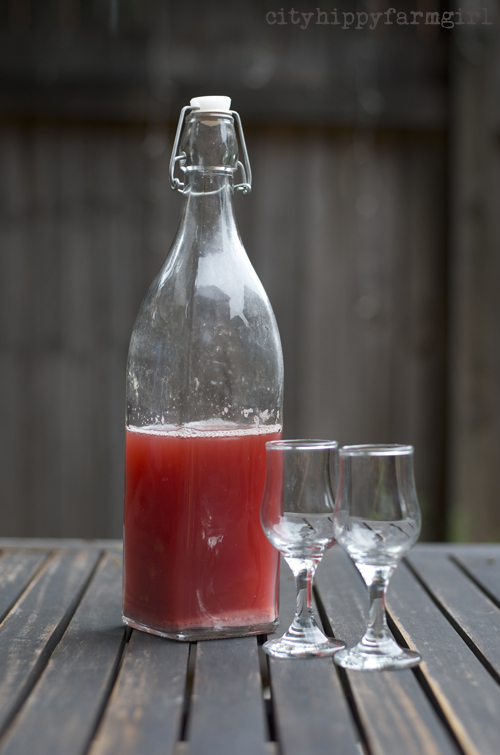
I read, planned and hesitantly started. Within 24 hours there was fermentation action happening and that was just a little bit exciting. There are just three ingredients in there- honey, water and plums. That’s it, and then the bottle started bubbling like an excitable volcano. The excitement was contagious. I continually checked and stirred it. I thought it would take about a week for bubbles to ease off but it only took 5 days (Sydney, Australia summer time). Strained and bottled, the taste test.
It was good. I thought.
I say I thought, because at this stage, I still had no idea what mead tasted like, so had nothing to gauge it by. It’s hard to tell whether there is much alcohol content. The test would be to down the bottle on an empty stomach and see what happens, but that didn’t seem likely to happen.
Ten days into the fermentation, (second fermentation period) the mead developed a thin mould layer. It had a closed lid, so I wasn’t quite sure what to do. I did what any hack city hippy would do, and shook it in, ignored it and popped it in the fridge.
But not before I had a good smell of it. I have finally gotten to trust my nose. With all my fermenting experiments I always smell them along the way. Observing differences, subtle changes and really trying to identify when and where things start to change. I trust my nose and if I’m not sure, well I don’t use it- The Plum Mead smelt fine, and while several weeks later into the fermentation process the taste was fairly underwhelming, I am keen to try it again.
Next, I started on a Honey Mead, (or honey wine). Raw honey and unchlorinated water, that’s it.
Now according to Sandor Katz, (who I was lucky enough to hear speak recently) raw honey already contains abundant yeasts- with pasteurisation or cooking killing them off.
“The yeasts are inactive so long as the honey’s water content remains at or below 17 percent (as it is in fully mature honey). But increase the water content just a little bit beyond that and the yeasts wake right up.”
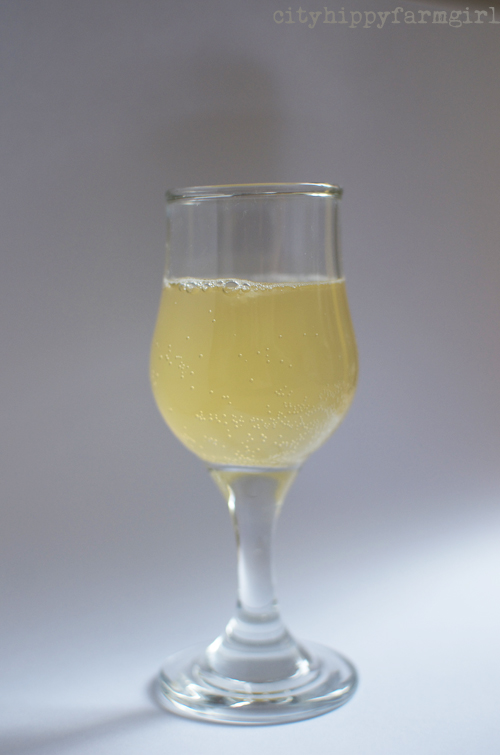
And so I did. I woke those little things up with a ratio of 1:4, following the instructions, and intermittently smelling it. At the end of three weeks I have a lovely light (green) sweet tasting mead. I can’t liken it to anything else I’ve ever had, but it’s good and I think this could be the beginning of many more meads to come.
So what do my two experiments with mead making have to do with Vikings?
Well according to Norse mythology, mead seems to be heavily linked with the Norse god Odin and along with it, anyone that drinks mead may become a poet or scholar. I’m still waiting for poetic inspiration, but perhaps I simply haven’t made or drunk enough of the honey gold beverage?
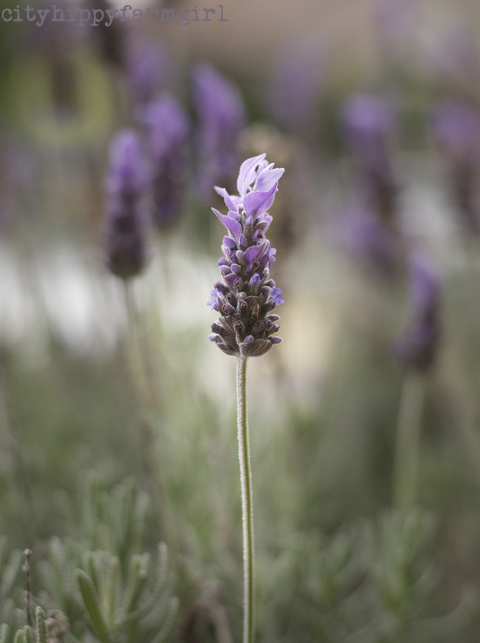
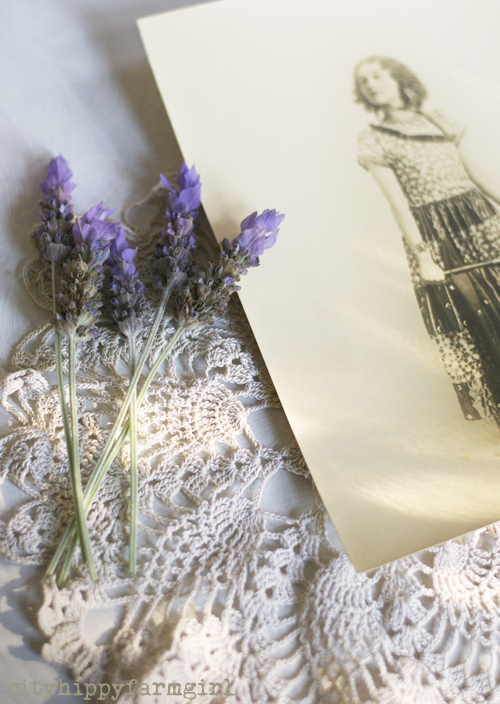
Last year I wrote of giving lavender on International Women’s Day to those women in our lives whom we loved, respected, found inspiring and wanted to show a small sign of respect. While I think that respect and love should be given through out the year, I do think once a year an acknowledgement or prompting is still a wonderful thing.
Here are a few fearless inspiring women that have shaped or rock my world.
Sheryl Sidery– Shaped and rocked, for this beautiful woman I would plant an entire lavender farm.
Ina May Gaskin- I was lucky enough to hear this amazing woman speak in 2011. After respecting and looking up to her for 19 years, that felt pretty special.
The little old lady at the end of my street. She stands and watches from her front gate, never missing an opportunity to smile and give a little wave as my children and I walk by.
My beautiful blogger friend @ The Monkeys Nest– mama to new twins, that’s an incredible path she’s now walking.
Nicky Gemmell- Honestly: Notes on Life is a book that’s sitting on my “list”. I adore Nicky Gemmell‘s writing- sometimes it feels like she is typing words from within my head.
**************
Which women have shaped, inspired or rocked your world?
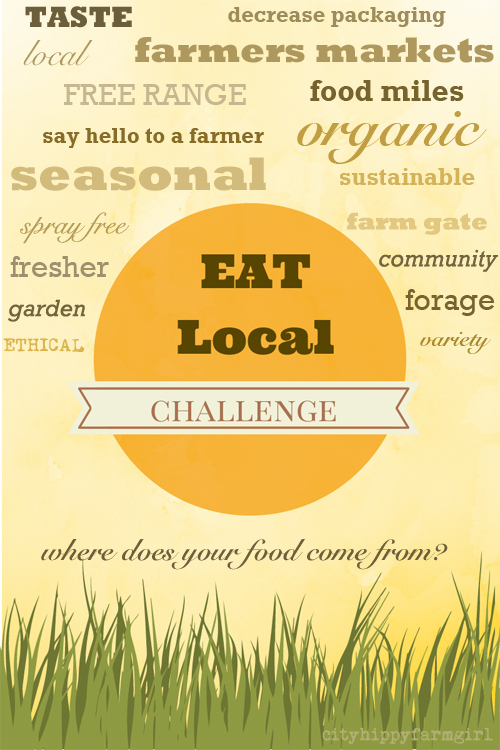
The challenge was on. My Eat Local challenge, and this was the night to be doing. A chaotic evening after a rough day. Not the best choices to start off an challenge but I was wearing it. However it was what we were eating that was more important.
The Menu
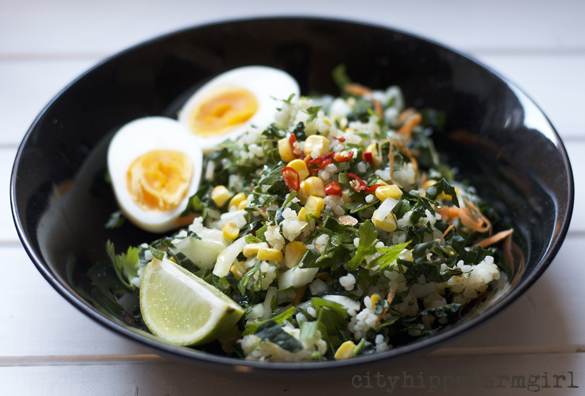
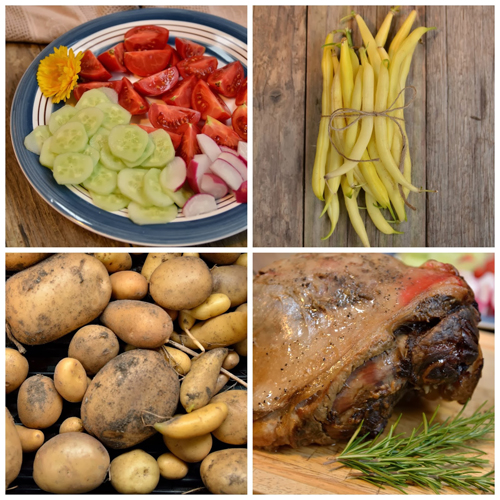
For the adults- A raw kale salad with hard boiled eggs. (rice, kale, shallots, brown onion, flat leafed parsley, corn, carrot, lime juice, olive oil, chilli and eggs.)
For the kiddo’s- A similar tamed down version, swapping the kale for lettuce. (rice, corn, lettuce, carrot, olive oil and eggs.)
Eggs- Ed’s Eggs, Jirandali Farm- Mangrove Mountain (85km from Sydney)
Chilli- my courtyard
Over all dinner was a success. The kids were happy to eat it all and Mr Chocolate said it was all delicious. He did throw a little Caramelised Balsamic Vinegar on top of his jazz it up a bit- a company that produces 250km’s away. I didn’t, but was kicking myself three hours later for not putting a little more protein in there or fat of some sort…I was hungry!! I guess this is the tricky bit, locally produced vegetarian protein. Besides eggs, what other alternatives do I have? To find out next time.
Tidbits
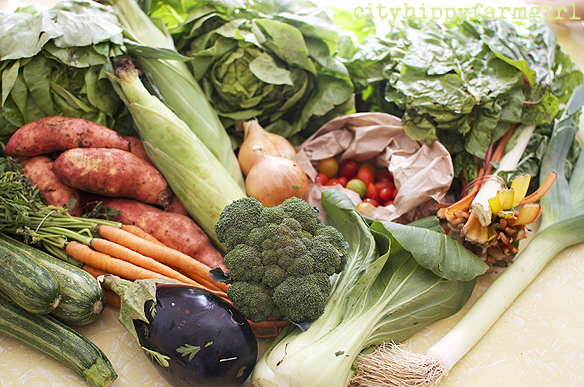
– Foodconnect- Sydney is no longer, and OOOOBY has taken over. Similar concept, and just as committed. This is from their $39 delivered veg box.
– The Locavore Edition– for Australian east coast readers, there is a comprehensive guide to both NSW and Victoria so far, (with Tasmania in the nominating stage.)
How about you? Interested in taking the challenge?
For more details see this post here and for the nitty gritty of ‘how local is local’- well this depends entirely on you. Only you know how you and your family eat. Raise the bar just a little from what you already do. If making sure the majority of your meal includes solely food produced in your country, than make that your challenge. If you want to make it a little trickier, go for produced in the same state…trickier still within 160km.
My aim is to really know where my food is coming from for at least one meal a month, (I will be post here in the last week of the month). It sounds easy enough at this stage, but as the year progresses will it continue to?
Edit– Have a peek over here at Christine’s Eat Local deliciousness
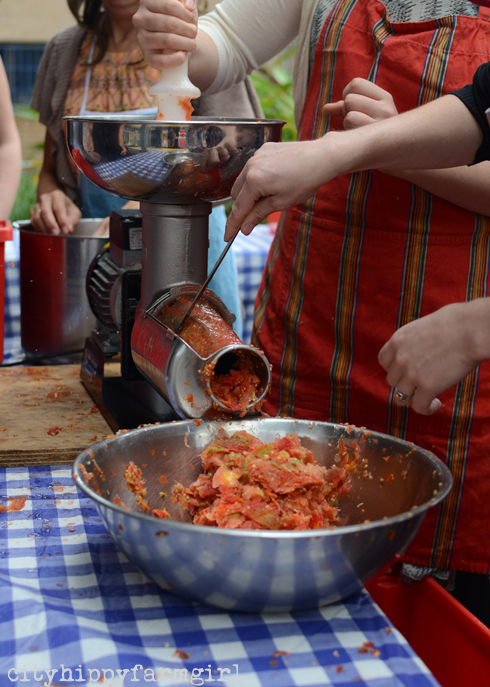
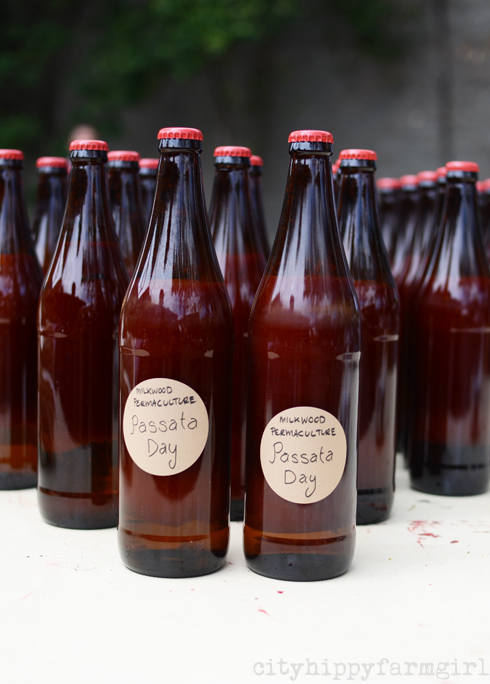
When I found out Milkwood was holding a Passata Day, there was a squeal of delight, and more than a little happy hand clapping. I had long held dreams of being part of a European village tomato festival, had looked longingly looked over at Rohan’s Passata Day from last year and would have happily invited myself over to any large family that held annual passata days in their backyard (if only I knew of any.)
Oh yes I was going to be there, and it promised to be a good one!
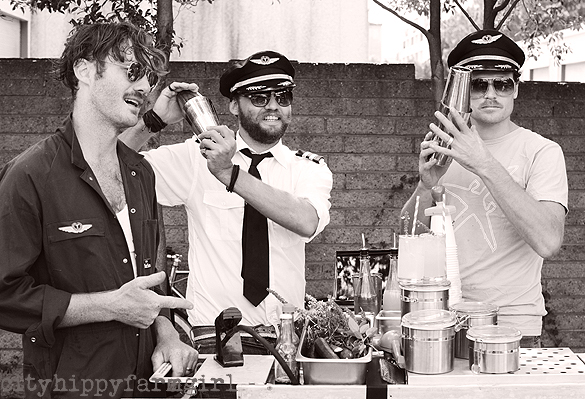
Amazing mocktails from Trolleyd created from native and organic ingredients, all foraged or sourced locally. If you didn’t think bartending and sustainability went hand in hand, think again.
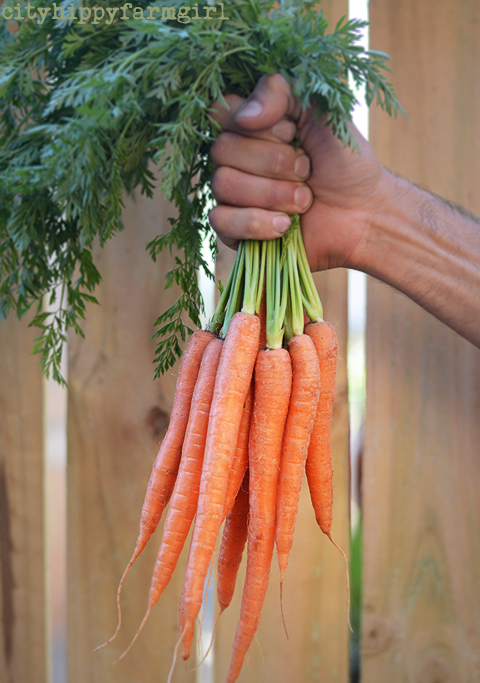
Tomatoes. Real tomatoes. The kind that taste like summer and come in every funny shape and form. The red goodness came from two market garden farms- Common2us an organic community farm based in Dural and Old Mill Road BioFarm, a family run farm in Moruya.
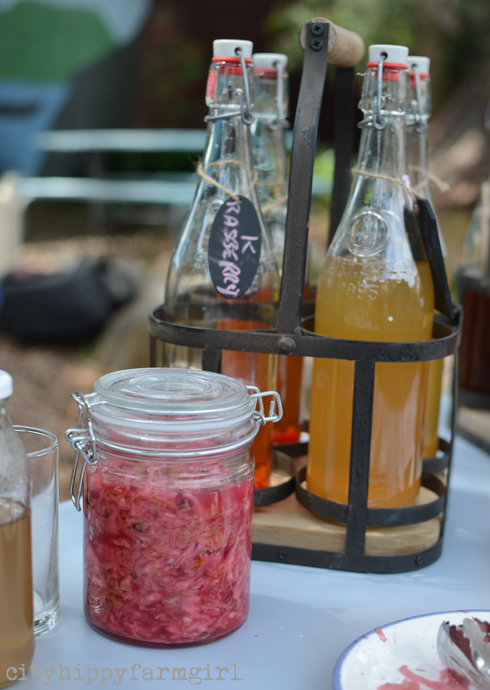
Some of my favourite conversation topics happened here. Chats on sourdough, permaculture, homebirth, cooking, photography, community and fermentation. The Passata Goddess must have been smiling above me, when she placed two of Sydney’s fermentation experts in front of me- questions answered and encouragement built on. These were a few of their beautiful fermented goodies to be tasted on the day.
Simple beautiful food, eaten at a long table….nothing better. Nothing.
The amazing and inspiring Kirsten and Nick, the couple behind Milkwood Permaculture.
…and the wonderful finished product.
Bidding goodbye to old and new friends, with the passata bottles safely tucked away. I slowly peddled home and reflected on why today had made me so happy.
* I had got to be a part of a community event that I had always wanted to.
* I had been able to talk with people that held so many similar interests and beliefs.
* I was able to introduce two of my friends to an event that they would have otherwise not known about, (which they loved.)
* I had met a bundle of people that I knew in the virtual social media world, and had been able to (at times nervously) introduce myself.
And ultimately. Celebrated the fact that so many of my interests and ideals could come together in the one day. To organise an event such as this would taken a huge amount of time, but it was done beautifully and I can only hope there is another one for next year. This is a perfect example of what simple living can be. A community event where food and people come together. Where skills are shared, knowledge is passed on and friendships formed and added to.
I recently wrote a quite lengthy post on eating meat. Of which I got to the end and then just quietly, deleted the whole lot. All 852 words of it.
I felt like I was justifying my own meaty actions. Which is something I didn’t feel like I really wanted to do or needed to do. I was more than happy to engage in an amicable conversation with anyone who cared to listen. I was also more than happy to pass on any food information that I’d come across in my readings. Informed decisions on any level is an empowering thing, especially when it comes to something as important as food.
We all need to eat, it’s how we go about it that’s important.
So will I be made to feel guilty for eating a little meat here and there?
It’s the basis of many heated debates, but at this stage of my life? No. No I won’t.
I believe strongly in a diet based mostly on ‘real’ foods. Food that comes in as natural a state as possible. Keeping processing to a minimum, packaging to a minimum and being able to identify the food in front of you are top of my lists.
I also believe different bodies require different foods. Some people can exist happily as a Fruitarian and others strongly advocate they feel healthier on a Paleo based diet. I wouldn’t like to base my diet on either of these, but I respect the fact that they feel happy and healthy eating as such. I remember sitting in the audience of the His Holiness the Dalai Llama once, and his comment on the fact that he ate meat. Shocked I wasn’t, but happy yes, as he had obviously made an informed decision; and decided he functioned better with a small meat intake.
As meat eaters, vegetarians, vegans, raw enthusiasts, sugar free, gluten free, locavores, we all have choices to make and ethics to consider when we are preparing that dinner plate in front of us. (Unless by chance you are a city-living-raw-vegan-sugar free-gluten free-locavore AND on a family budget, in which case holey moley I would love you to comment and please share your story!)
Pescatarian– love eating canned tuna? Have a look at this snippet on what line and pole fishing actually is, and the value of paying that bit extra for your can of tuna. Also read here on GoodFishBadFish– sustainable seafood, what’s it all about or Slow Fish– and it’s campaign.
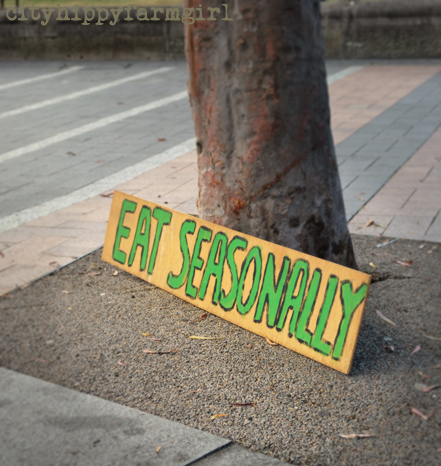
Vegetarians– Do you eat seasonally? Food Miles, have you considered them, how many do you clock up?…this site is so very humbling.)
Quorn– What do we know about this myco-protein? Made from mushrooms it isn’t.
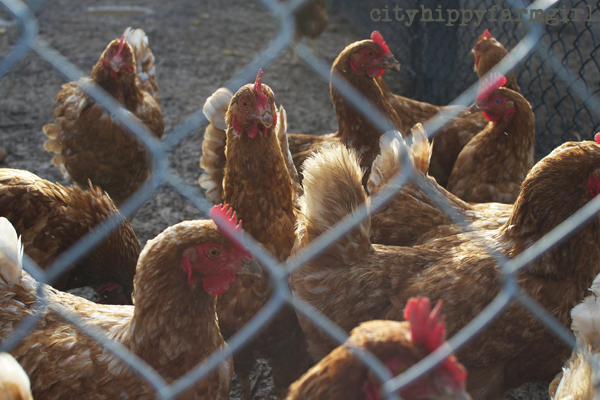
Eggs– In what condition hens have your eggs come from? Caged Eggs
Are your meat substitutes highly processed coming in excessive packaging and have a full paragraph of odd sounding ingredients?
There are an array of options for cow milk alternatives- soy, almond, rice. Is there vegetable oil in there. Does this vegetable oil contain palm oil? Sunflower Oil? Added sugar? Food miles on your soy milk? where has the alternative milk been grown. Was it processed in the same place or somewhere else altogether?
Are you using sugar substitutes such as agave syrup. Have you considered the food miles (unless you live in Mexico) and extensive chemical process that is needed in order to obtain this yield?
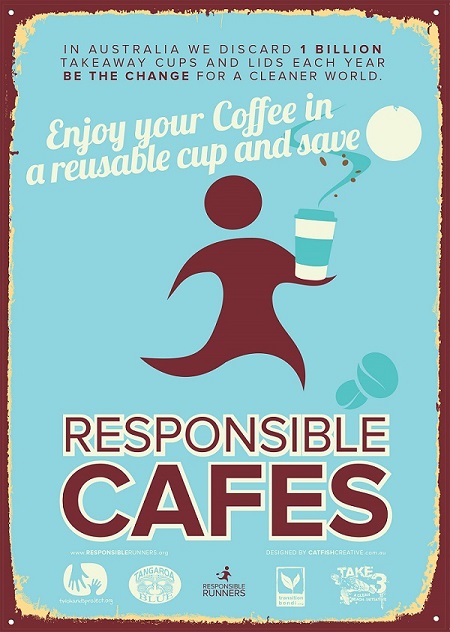
1 billion takeaway cups and lids each year… {image credit to Responsible Runners}
Coffee– Got a coffee habit- Is it fair trade? Food miles? Excessive packaging on your daily take away coffee cup? Keep Cup– reusable coffee cup
Chocolate- Is it again fair trade? Does it have even more excessive packaging? Does it have an extraordinary amount of food miles? Was it harvested using slave labour? (Despite popular belief the cocoa bean is not produced in Belgium.) Slavery in the Chocolate Industry
There is always an impact on our food choices, regardless of what food types we mostly eat. Pretty much every choice we make has an impact. If more and more people make informed choices about what they are eating and passing a little less judgement on those that eat differently perhaps we would make some sort of head way in our food environment.
Eat Food. Not Too Much. Mostly Plants…[Michael Pollan]
Our family meat intake is really quite small, we eat a mostly vegetarian diet, and bought meat is always considered; where it has come from and how it was raised. Fruit and vegetables are eaten in season, vegan and gluten free meals are becoming regulars, I try to make as many things from scratch as time allows and we eat on a family budget- keeping things as locally produced based as possible.
This doesn’t make me a sainted eater, it makes me an informed eater and at this stage, that’s the very best I can do.
So, to the next person that gets on their high horse about me making a conscious decision regarding what I have chosen to eat, please don’t. As I might just eat that high horse… I hear they’re quite delicious.
***********
Thoughts? Input? Ideas? Everything up for discussion in an unbiased nonjudgemental fashion.
Nearly the end of the year again, which means there could be a little gift giving to be had. I love this time of year, but I don’t like the ridiculous amount of spending that usually goes along with it. You don’t have to spend oodles of money, you really don’t. Here are a few ideas to help with a greener tinged Christmas at your place this year.
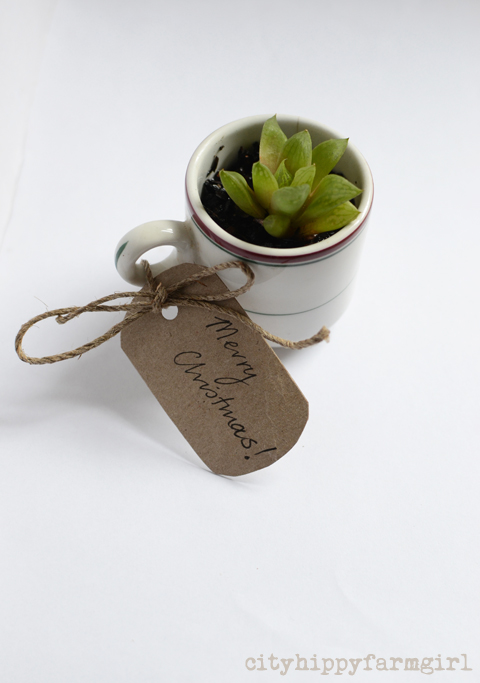
1/ Tiny presents of tiny succulents in tiny tea cups, (or espresso cups as this little fella is.) You can easily do this with a little cup that may have a chip or a crack in it- stalk op shops, church fetes, roadside discards for succulent holding inspiration. The options are limitless, (have a peek at google images.) Think green, think succulents.
2/ Something for the inspired reader in your life- Changing Gears: by Greg Foyster
3/ Assistent Original– now this is a pricey gift for Christmas, but if you are serious about a kitchen investment that is going to cater for every kitchen whim you have- it’s a worthy investment, as cooking from scratch is a commitment and you want to make it as easy as possible. For bread baking nerds, look no further.
4/ Digital Subscription to a ‘green’ magazine- inspire someone with some idea thumping pages- There are oodles to pick from, and then even more.
6/ Sign a bloggy friend up to do Blog with Pip– they will love you to the moon and back, (and probably back some more; this course is AWESOME.)
7/ If you don’t have a crafty hand yourself, have wander over to etsy– Buy direct from someone who does and support a small time crafter with a passion for handmade goodness.
8/ Sign a loved one up for a Milkwood Permaculture course, (or a locally grown Permaculture course in your area.) They will be brimming with inspiration afterwards, and that…is always a good thing.
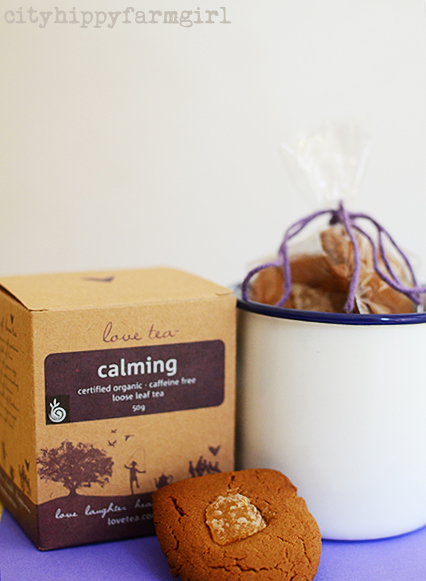
9/ For the tea drinker- love chai, love tea, enamel cup and a little ginger bread bites for dunking in. A simple present that is 542 times better than buying something bland in a generic department store.
11/ Put together a little handmade food hamper. Jam’s, biscuits, brownie, cake, pesto, bread- the options are endless. If you team that up with a little second hand store basket (50c church sale thank you very much!) and you’re in Christmassy business, (always nicer than a gifted pair of synthetic, made in China, novelty boxer shorts…promise.)
12/ And if you still aren’t sure of what Uncle Roo and Aunt Bilby would like, make a donation on their part. There are so many charities to choose from in our collective corners of the world- choose one and your recipients will be so very thankful.
**********
For previous years eco Christmas gift ideas and wrapping see
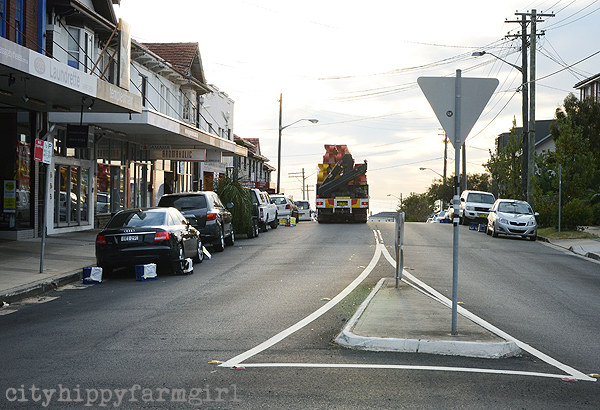
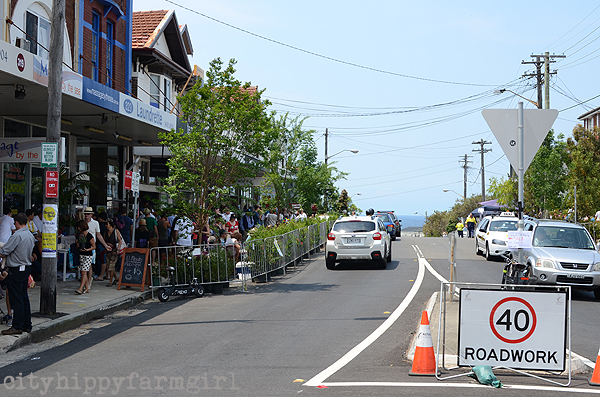
Changes happened this weekend in Clovelly Rd, Sydney, Australia. Small, community inspired changes with a hopefully massive impact. Going from this…
to this…
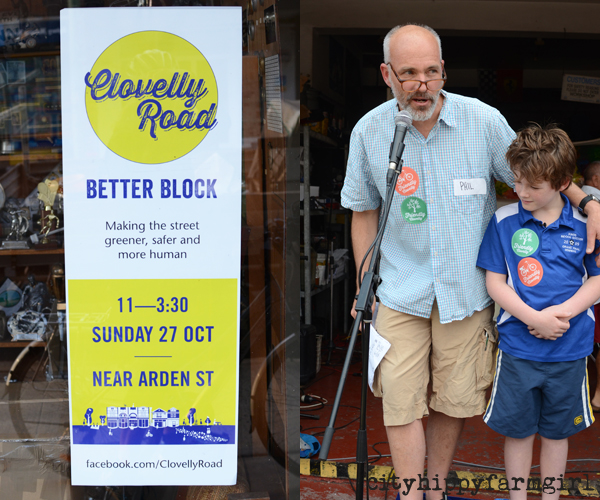
The first Sydney Better Block project was the occasion- a community driven event that from everyone’s accounts, was a huge success.
The inspiring man behind it all, Phill Stubbs.
Clovelly Road Better Block– transform a street for a day. The aims are to: – bring the community together – encourage people to re-imagine their street – invite them to add their ideas – show civic leaders the need for action – get improvements made permanently – inspire others to push for change in their street.
Our goal after the event is a permanent liveable street. We will be going back to Council with market research from the Better Block day and pushing for permanent changes. In fact we’re keen to see this rolled out at the other little villages on Clovelly Road.
Our vision for 2025 is to connect the villages on Clovelly Road and create a green corridor that runs from Centennial Park to the Pacific Ocean. (Yes it’s a bold vision, but if we, the community, don’t really think about our street, who in government will?)
– 25/10/13 CLOVELLY BETTER BLOCK MEDIA RELEASE
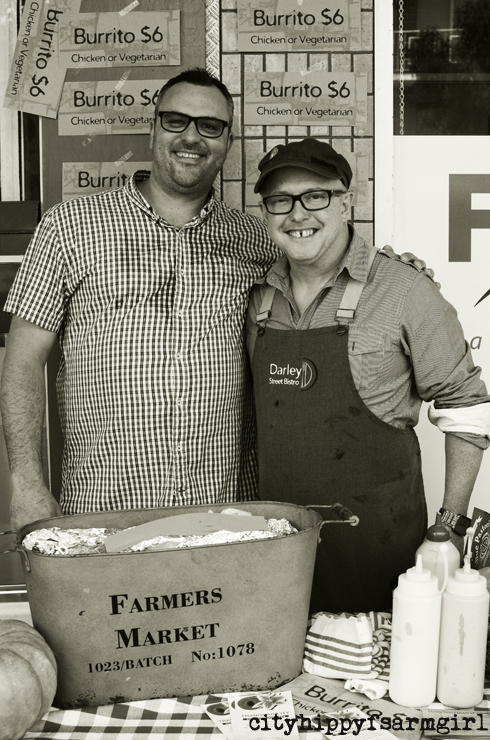
Blink and you would have missed the very popular burrito’s- a sell out!
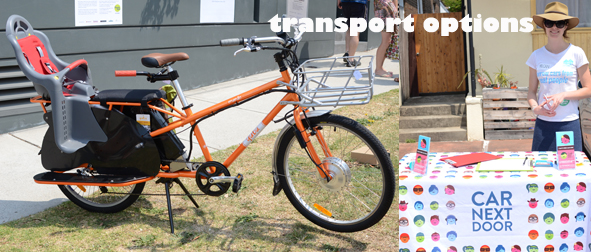
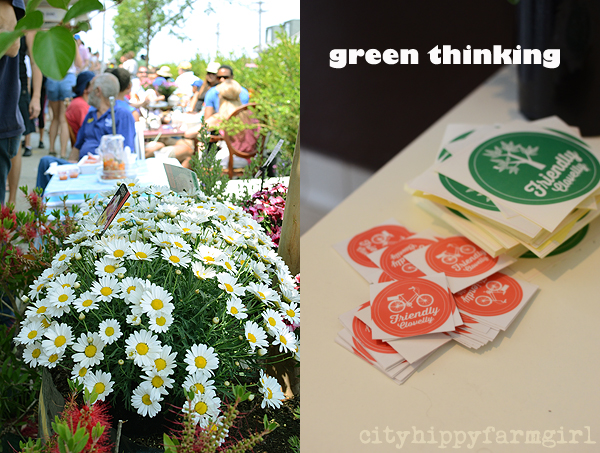
Making the block, “greener, safer, more human“
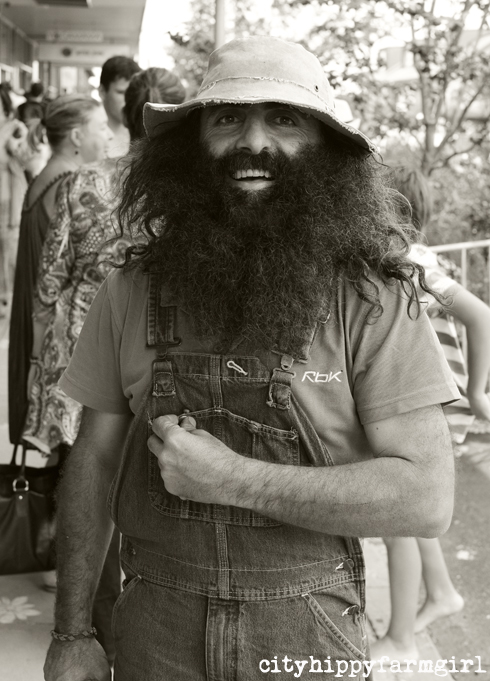
Everyone’s favourite green man, Costa.
‘The “Better Block” project is a demonstration tool that rebuilds an area using grassroots efforts to show the potential to create a great walkable, vibrant neighborhood center. The project acts as a living charrette so that communities can actively engage in the “complete streets” buildout process and develop pop-up businesses to show the potential for revitalized economic activity in an area. Better Blocks are now being performed around the world, and have helped cities rapidly implement infrastructure and policy changes.’ – THE BETTER BLOCK PROJECT
This video explains the concept and how they did it in San Antonio, USA.
For more details on other projects, or how to start your own see- The Better Block
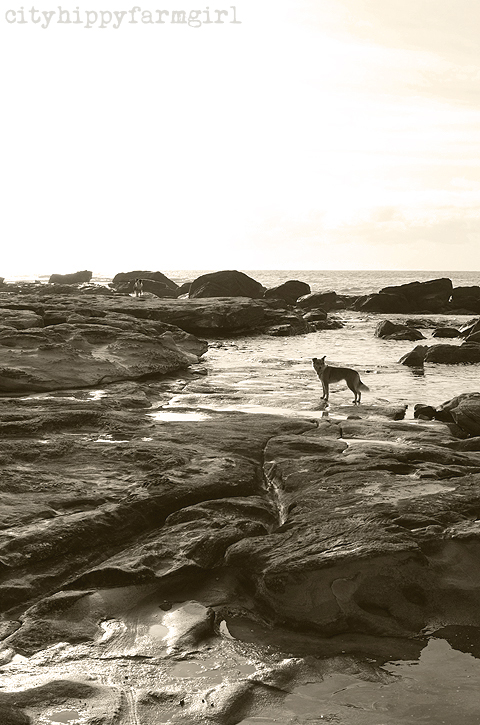
Pedalling through the still darkened streets, I keep my eye towards the dark grey sky. Just a hint of light, I still had a good while to go before the sun nudged itself over the horizon. The air is cold, it hits my face and bare arms. I think for a moment of everyone still sleeping at home, snuggled in. A warm bed has been given up for the cold and for the grey. A cup of tea in favour of a bicycle.























 cityhippyfarmgirl