how to make butter and yogurt- Frugal Friday

I think every blogger who ever dabbles in food posts, has done a how- to- make- yogurt and/ or butter at one time or another. Just to add to the lovely collection- here’s my way.

How To Make Yogurt 

What you will need-

kettle, yogurt thermos, yogurt container, powdered milk, 2 heaped tablespoons old yogurt, water, measuring cup.

Time it takes- do it in the time it takes to boil the kettle.
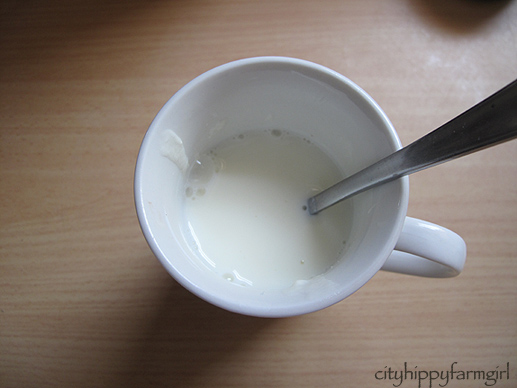
Fill your kettle up and turn it on. Take 2 heaped spoonfuls of bought yogurt (like the end of the tub), add a little water to mix it, it’s now runny and set aside.

 Fill your yogurt container half full with water.

 Add one and a half cups of powdered milk. No need to shake it down and fit as much as you can, just roughly 1 1/2 cups. Mix it with a spoon and add your runny yogurt mixture. Mix again and fill the rest of the container up with water. Lid on, give it a good shake.

 Kettles boiled. Fill it up to the top of the plastic thingy inside. Place your yogurt container in with the lid on, add the thermos lid and leave it (don’t peak) for 8-12 hours. The longer you leave it the tartier it will taste. (I’ve forgotten it for 24 hours and it’s still fine.)

*******

Once, about every six weeks I refresh the batch with a packet of the ready to go yogurt mix you can buy (which is just add water and shake.) I find it keeps the cultures stronger, and more likely to keep it at a thicker Greek style yogurt consistency, (which is what we all like.)

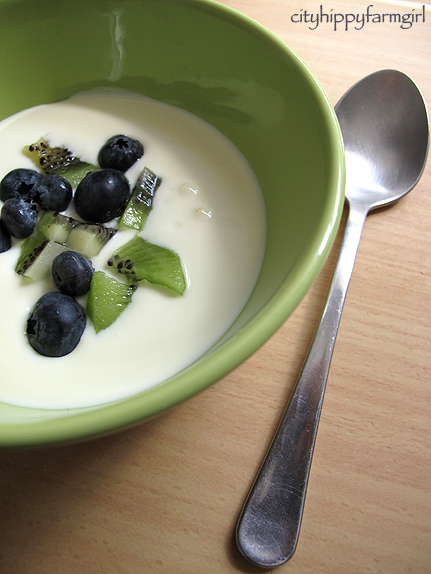
$20 for the yogurt maker, and each litre of yogurt I make, works out to be about $1.50 a batch. I then add any of our homemade seasonal jams to sweeten the yogurt. Dead easy. You are saving a whole bundle of money, no more plastic tubs and you don’t have the usual paragraph of ingredients that’s in a lot of yogurt today.

How To Make Butter
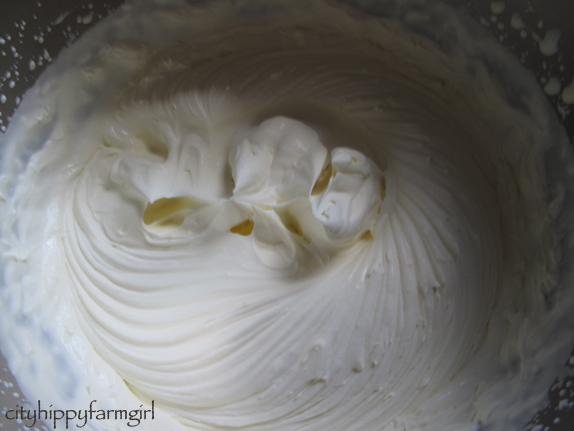
In a mixer, pour in a carton of cream. The best you can buy, (not thickened cream). Whip it….and keep whipping…
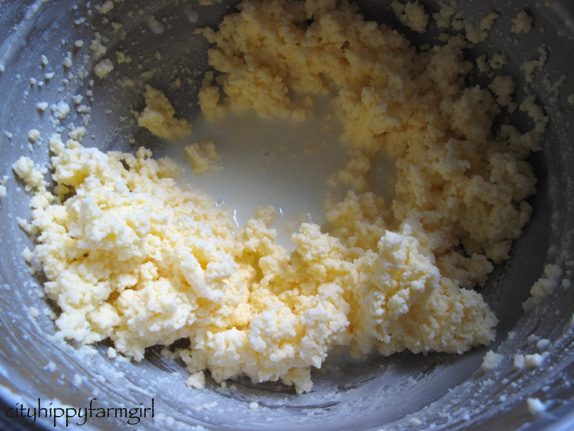
 Keep it whipping until it starts to look like this. The liquid will start to separate, which is then able to be drained off. Add a pinch of salt (to taste) and keep squeezing out that excess moisture using a spatula against the side of the bowl. You don’t want any of that moisture in there. Once it is all drained off it can be shaped into what ever shape you need.

Next time you see one of those fancy pancy butters imported from countries far far away, you can have a little chuckle at the thought of spending that much money on butter and then go home and make it yourself. Again, dead easy.

Now where’s the bread to go with it?…
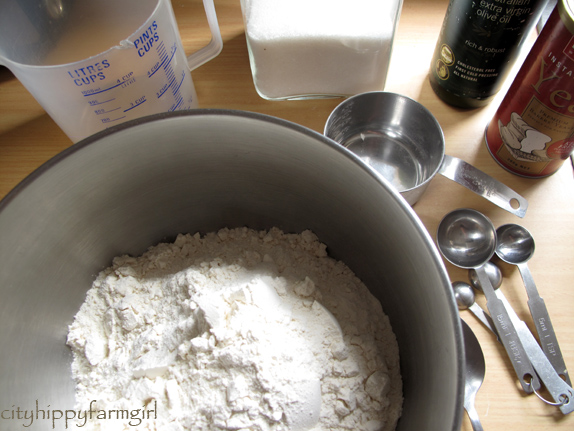
how to make bread, for the person who thinks they can’t…but really they can

This is, (I hope) a really basic way to start making your own bread. It’s an adapted version of the Bourke Street Bakery cookbook olive oil dough. I’ve used it a whole bunch of times, and it’s always reliably delicious.

 You will need.

600g flour (4 cups- I use strong bakers flour)

2 tsp dried yeast

400mls tepid water

 3 tbls olive oil

2 tsp salt

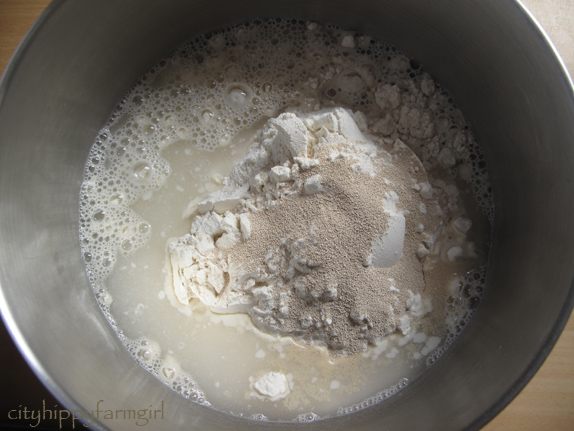
In a large mixing bowl add the, 600g flour, 2 tsp yeast and 400mls water. (The slight warmth of the water will kick start things, don’t use hot; you’ll kill the yeast.)

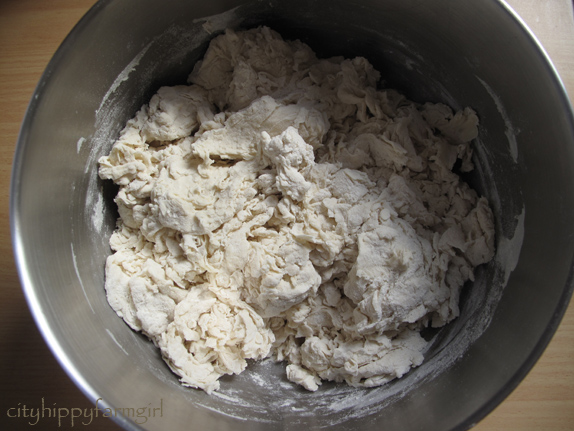
 mix with a spoon until it all comes together. It will look a little dry and unlikely.

Now leave it for 10 minutes.

 The dough looks and feels a little different. It’s been doing its thing for the past 10 minutes.

It will feel softer and more workable.

Now add 3 tbls olive oil, and 2 tsp salt

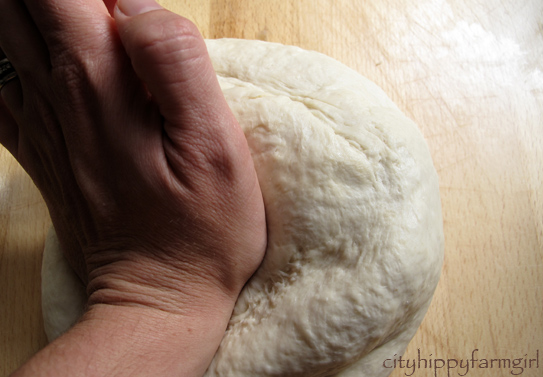
 Mix it through with the spoon initially, for about a minute and then by hand. You will be able to feel it coming together. Now tip it out on to a bench and knead. (I don’t find with this recipe I need a floured surfaced area, but it may depend on the type of flour you are using. If it’s sticking, lightly flour the surface and your hands.

Work the dough until it comes together as a smooth, stretching mass (or use a mixer with dough hook). You want it to feel elastic.

Use the heel of both of your hands for kneading. Finger tips flick the dough up, and heel of hands push down.

 When the dough is soft and smooth, it’s a happy dough. The kneading will probably take about 10 minutes.

Then pop it back into the mixing bowl, (or a lightly oiled clean one, I just whack it back in the grubby one though) with some plastic wrap (or a shopping bag/wet tea towel) over the top. This stops it from drying out. Let it prove for 30+ minutes.

If the dough is in a warm spot (about 26C) it will just need the 30 minutes, if cooler, it may take longer. If it’s soft, and springs back when you poke it, it’s ready to be folded.

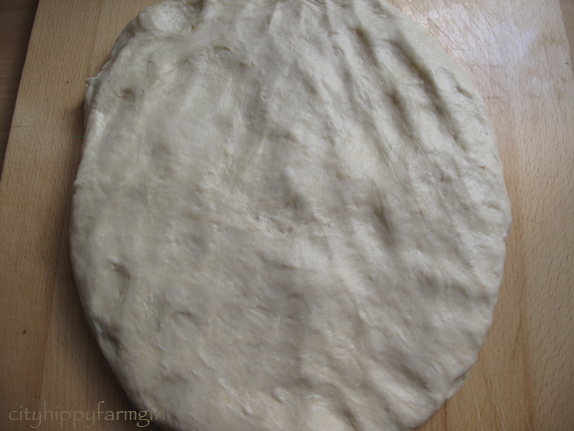
 Pop it out on to your work surface and roughly flatten it. Using your finger tips.

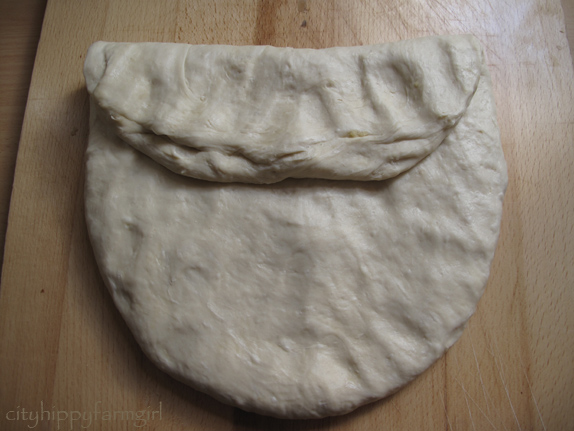
 Fold one third over

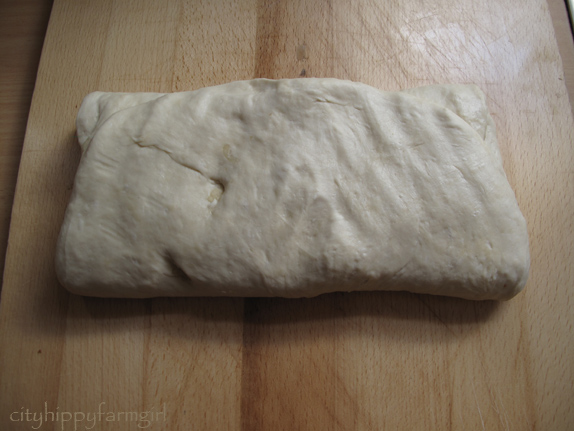
Then the other third over. Turn it 90 degrees, and fold it to thirds again. Pop it back in the bowl.

 looking kind of square

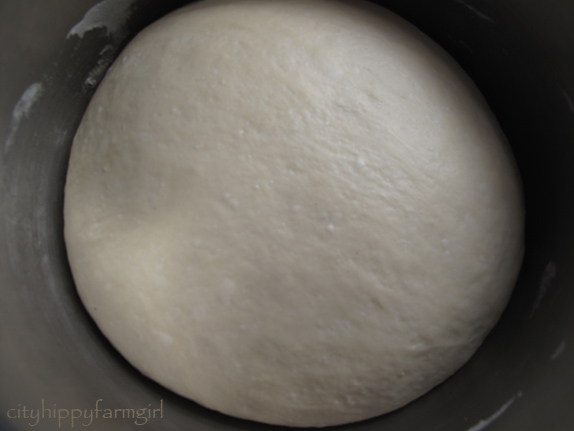
Another prove for about 30 minutes, (longer if it’s colder).  Then get it out and press the dough down on the working surface area and shape. Or…

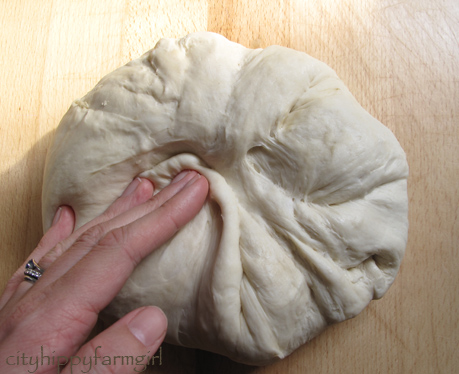
Take the ball of dough out of the bowl and place on the bench. Pulling a side of the circle, and dragging it into the middle and press down. Keep going until you have gone all the way around. Then using one hand to do the same process with the heel of your hand, (side to the middle) and your other hand turning the disc. This process can be used instead of the folding after the initial prove or it can be a way to do a final shape.

 In to the middle.

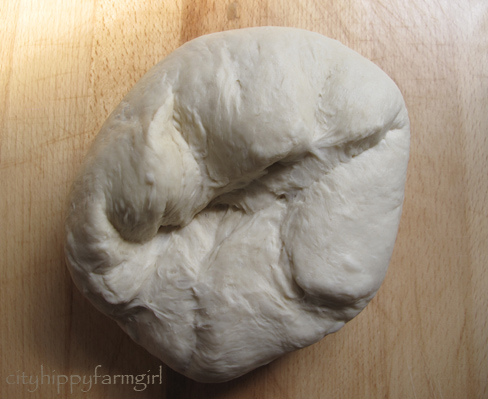
 Looks like that

and then flick it over. Should be smooth and round. Once you’ve got the shape you want, pop it on an oiled tray (or a tray lined with baking paper) cover it with a plastic shopping bag and leave it to prove again in a warm spot. Should have risen by about 2/3 and feel/look soft and pillowy. This can take 30+ minutes.

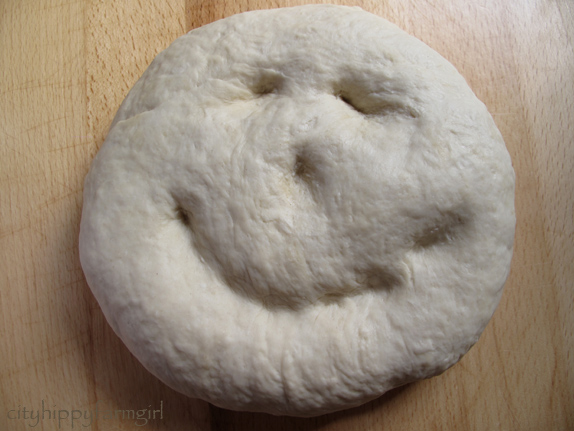
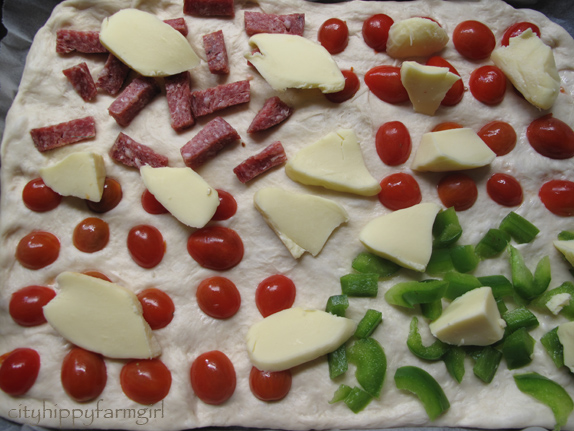
This dough can be  shaped into just about anything. I used it as a foccacia base here, but have used it as a fish, mermaid, sunflower, grissini and bread rolls.

Bake in a pre-heated oven at 240C with steam. I use a water squirter bottle for the steam. 20 squirts in the crack of the door once you’ve popped the bread in or you can use a little dish of water at the bottom of the oven when you turn it on. Baking time depends on the shape you have made. Bread is cooked when dark golden in colour and sounds hollow if tapped.

*****

 The trick with bread is, you just have to practise. Make it, and if there are any problems, write down what they are so you remember for next time and can change it accordingly. I watched my mum make bread my whole childhood so absorbed how to knead it just by watching. If you have never played with dough before though, it might seem a little daunting.

Play with it.

At worst, they will be stone hard burnt unsalted bricks, (and I’ve certainly made my share of them before). Most likely though, they’ll be delicious, and you’ll never want to buy shop bread again.

Books to make you want to play further

Bourke Street Bakery

The handmade loaf

River Cottage handbook- Bread

Online

The Fresh Loaf 

Dan Lepard

Wild Yeast