upcycling to gift tags

Gift tags are such a simple thing to make. You can upcycle so many things to make instant eye catching tags that re-cycle something, look pretty good and don’t cost anything. Scissors, a hole punch and imagination are all that’s needed.

Christmas cards are a great thing to chop up, (thanks to Tricia for the point in the right direction with this one). Just make sure there is no writing on the other side.

Gift to match: Anything Christmassy.
Cereal boxes. I know that sounds a bit odd, and it would depend on what cereal you buy maybe… but with the right gift, I think it works.

Gift to match: Jar of muesli/granola, box of muffins.

Chocolate wrappings. Ok, this isn’t going to work if it’s a mars bar. But if you are buying some tip top chocolate once in awhile, it seems a shame to spend all that money on some delicious chocolate, for it not to get a second go doesn’t it? (See this post, on how to make wrapping paper and cards from chocolate wrappers.)

Gift to match: Anything, it looks a bit different.
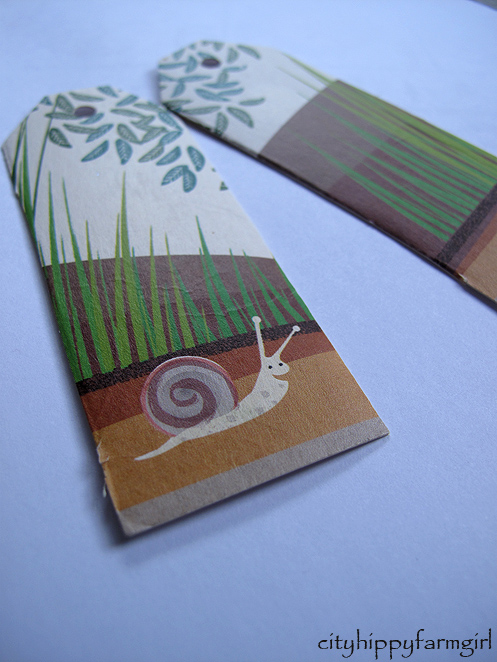
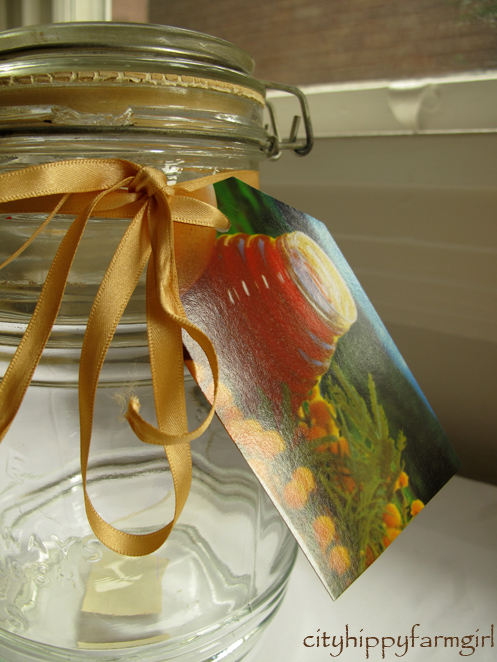
Biscuit/Cookie boxes. Again, maybe not for any old box, but given the right one and it can look rather interesting I think. I was given these as a gift and loved the box so much it just sat there empty for a few months on a shelf. The Monkeys had been told to keep their little mits off it until I had decided what to do with it.

Gift to match: Something lovely.

So many things can be turned into a gift tag, or used as a small card. Perfume boxes, old calendars, pasta boxes… lots and lots of things to have fun with and give a new life to.
Sustainable House Day

Sustainable House Day is on this Sunday 12th September all around Australia. To find out where the open houses are in your area, click here.

Houses are open from 10-4 pm and are free. Just look out for the balloons.

You get to have a look at how different houses are rigging up solar panels, harvesting water, recycling, gardening and many more things. Lots of info to be had, and a good opportunity to find out what is happening in your sustainable living community.

Anyone in the Sydney area that is interested in having a look, a list here of all the houses.

Honey Almond Nougat Gift ideas

Gift ideas. Sometimes I can get completely stumped for ideas for gifts. I want to give something, but don’t want the present to be a token something. I want there to be some kind of thought behind it. A little present to say Happy Birthday, Merry Christmas or a simple I’m thinking of you.  Not something that screams… uh oh I forgot your birthday up until an hour ago, and this was the first thing I sawIsn’t it pretty!

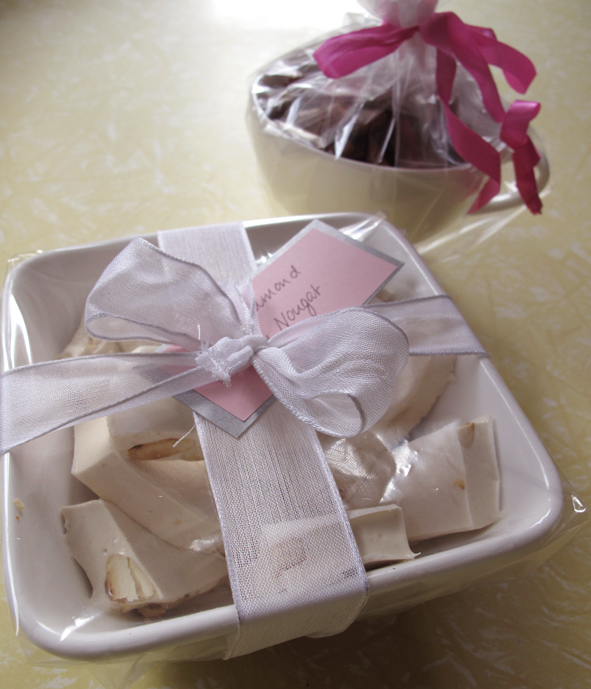
Here’s one idea for a gift. First stop, go to your local second hand store.

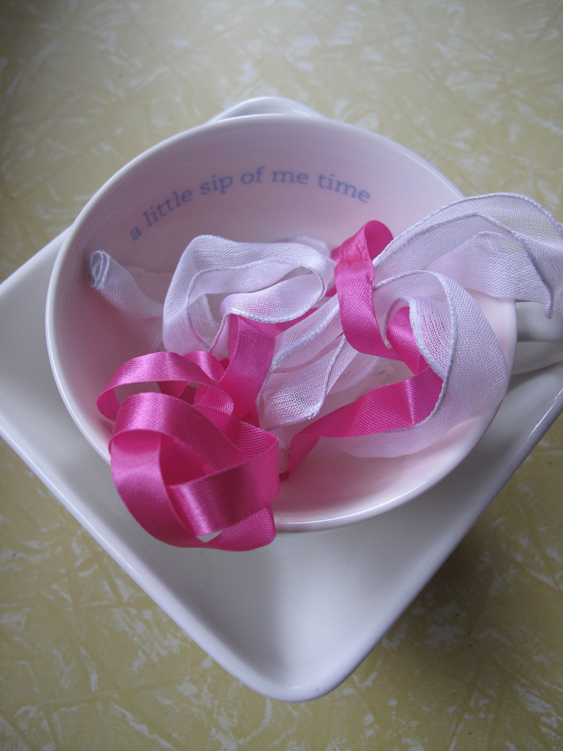
One Donna Hay tea cup and little white dish later. ($2 dollars spent, for perfect condition.) Add some recycled ribbons that I had got via a whole bundle from a LETS trade a while back. Now to fill them.

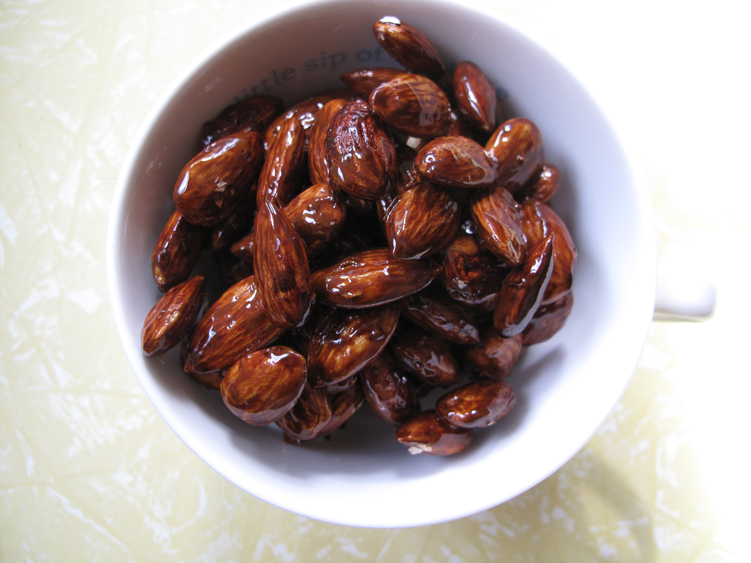
Kecap Manis Roasted Almonds

Your desired quantity of raw almonds, coat them lightly in Kecap Manis (Indonesian Soy Sauce). Then put them on a tray and slow roast them in the oven. Done when an almond is cut in half, and lightly browned through.

Honey Almond Nougat

2 cups caster sugar

1 cup glucose syrup

1/2 cup honey

1 cup toasted whole almonds

1 tps vanilla

2 egg whites

75grams softened butter

rice paper sheets

Mix sugar, glucose, honey, vanilla in a pan. Stirring until sugar dissolves. Boil uncovered until reaches small crack stage (a tps of mixture snaps when its dropped into cold water.) This usally takes about 6 minutes or until reaches approx 138C.

Beat egg whites until firm peaks form. With mixer running, slowly add hot mixture in a thin stream. Mix for 3 mins or until the mixture holds together, then add the butter. When combined add the nuts.

Quickly spread into greased and lined with rice paper tray. Smooth the top down and press the remaining rice paper. Wait until it gets to room temperature, and then cut into desired shapes.

Two easy hand made gifts that are made with love, using recycled dishes, and ready to be given to someone that needs a good present.

10 tips for cleaning with Bicarbonate Soda

Bicarbonate of Soda (Baking Soda) is great for cooking when something needs a little lift. All it needs is a little wet and acidity and whoosh! Instant leavening agent, (it actually gives off bubbles of carbon dioxide, which are trapped by the baking.) It can also be used as an acidity regulator, used in things like the Sourdough Oat Cakes.

Cleaning purposes- It is a naturally occurring product which makes it perfectly environmentally friendly when used for cleaning and, and neutralizing. For cleaning it’s similar to when used in cooking, whoosh!..and its clean.

10 Tips for what to do with your Bicarb Soda

* A mixture of bicarb, vinegar, dishwashing liquid and eucalyptus oil is my standard clean EVERYTHING solution

* A combination of bicarb and water mixed together to form a paste, then put on to clothing stains. Let it soak in for a while then wash as normal.

* For smelly shoes add a good sprinkling of bicarb soda over night.

* For smelly bins, sprinkle a good layer on the bottom, leave overnight and wipe clean.

* Deoderise carpets with a sprinkling over area and then vacuum. With stains on carpets, mix up a paste of bicarb and water, leave to dry and then vacuum.

* Polishing up jewellery and silverware, and chrome make a paste of bicarb and water, scrub with old toothbrush and then just wash off.

* Clothing whitener, add 1/4 cup bicarb to half bucket of cold water, leave clothing to soak overnight in a bucket and wash as normal. (No need for things like Napisan)

* For tea stained cups, add a paste of bicarb and water, leave for a little while and then rub clean.

* Sprinkle bicarb soda over cat litter tray. It absorbs any moisture and neutralizes any odours. Cat vomit on the carpet, same thing.

* Cleaning out your washing machine add, 1/4 cup bicarb to the soap area and 1/4 cup vinegar to the softener area- short cycle.

There are sooo many other things you can do with Bicarbonate of Soda. Its cheap, its environmentally friendly and it has a cleaning use for just about everything you can think of.

The best pet for small spaces…or big spaces

Living in a flat sometimes you can be a little restricted with sort of pets you can have. Constrained because of space, landlords, body corporate, prying childrens fingers. All sorts of reasons.

This pet ticks all those boxes though. It doesn’t need regular walks, doesn’t need a kitty litter tray, doesn’t hog the bed at night time, doesn’t chew furniture, doesn’t eat a lot, don’t need costly visits to the vet and doesn’t take much to set them up in their new home.

So what pet is that?

A worm.

Actually a lot of them.

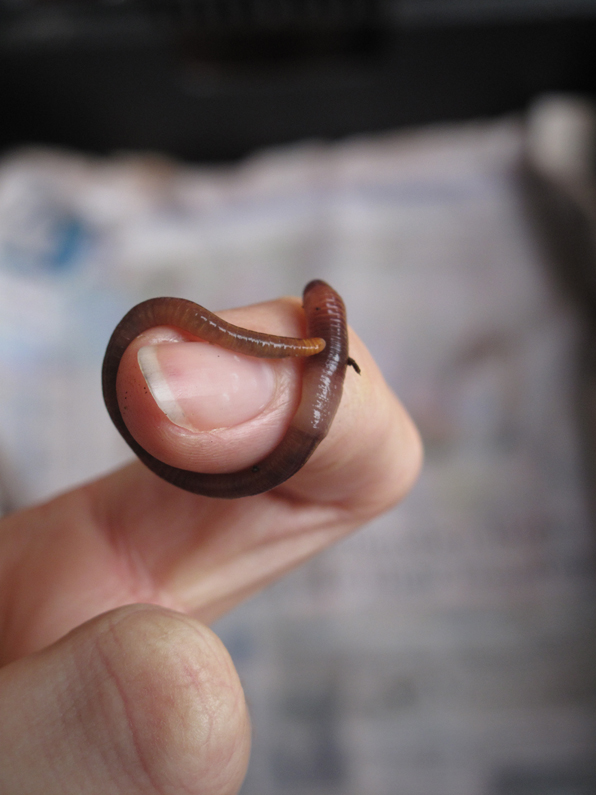
Thousands of the little critters. A worm farm may not be the most interactive of pets, but they eat your compost, don’t take up much space and provide lots of wonderful solid (castings) and liquid fertilizer for your garden or pot plants. Sure you don’t get to play with them, stroke their tiny baldy heads, and their recipricle loving attention is a little wanting but they are still cute in their own hairless way. (And The Monkeys still want to poke and touch them as they would any other pet.)

The average household garbage is about 50% compostable. So instead of going to landfill it gets chewed up and turned into liquid gold by these little fellas.

10 top tips for worm farms

1/ Needs a cool well shaded spot to sit in (easy for a flat or balcony).

2/ You can buy a ready made worm farm (usually made out of recycled plastics) or you can easily make your own. (Try local councils for ready made ones as they quite often have them at cheaper prices, may deliver it and set up for free, and also run free worm farming courses.)

3/ They don’t like eating acidic foods such as onion/ garlics/ citrus fruits. Also no meat/ grains or dairy.

4/ Worm farms shouldn’t smell. There should be a lovely earthy smell, if it does get a bit pongy (stinky) then just stop feeding them for a few days, let them break down the food a bit more. Loosen the food and castings- so its easier for them to manouvre through.

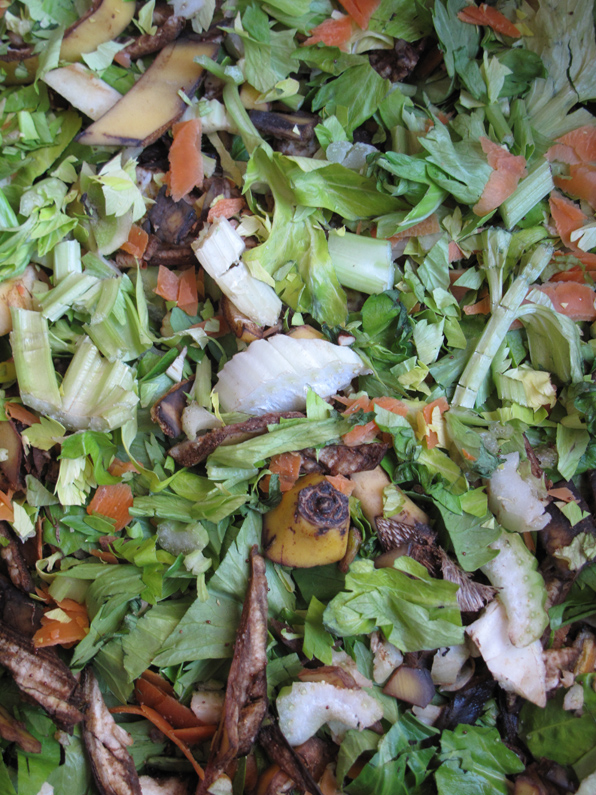
5/ The smaller you chop the food, the easier they can break it down. Saying that, you can also just throw in your scraps, it just takes a while longer to break down.

6/ You can toss in all your vegetable and fruit scraps, but can also pop in ripped up newspaper, soggy egg cartons, hair, tea bags, vacuum dust…. you can do dog poo, but not advised on using the worm castings for your plants afterwards though.

7/ The worm wee can be used as a fertilizer mixed with water. 1 part wee to 9 parts water, and then just watered in to your plants. Your plants will love you for it.

8/ If you were a fishing kind a person= live bait!

9/ Worms like a nice moist environment. The water from the scraps is generally enough to keep things at a moist level during cooler months. However during hotter weather, a little extra added water may be needed intermittently. Some moist newspaper on top of the food scraps (or a hessian bag) acts as a blanket and keeps things at a stable temperature.

10/ After the initial start up, there is no ongoing costly maintenance. The worms continue to multiply (as long as they are fed) and you can’t have too many of the useful little critters.