Capturing winter sun in a jar

Winter sun can be so uplifting to the spirits when its cold outside. A face tilted towards the sun through a glass window. Body warming against a sheltered brick wall. There are pockets of warmth in my apartment that are just perfect for capturing that winter sun.

Little Monkeys pillow, when he goes down for a day time nap. His pillow has been soaking up the morning warmth already for him to lay his head on. Makes me want to snuggle right down with him.

Coat stand, standing holding all of our jackets. When ever I go to put one on during the day, a little bit of winter wonder has been stored in there. Warming my back and a soft ahhh slipping from my mouth.

The dining table, just about time I usually eat some lunch, that soft winter sun is waiting for me. Sunny fingers out stretched, waiting to draw me in.

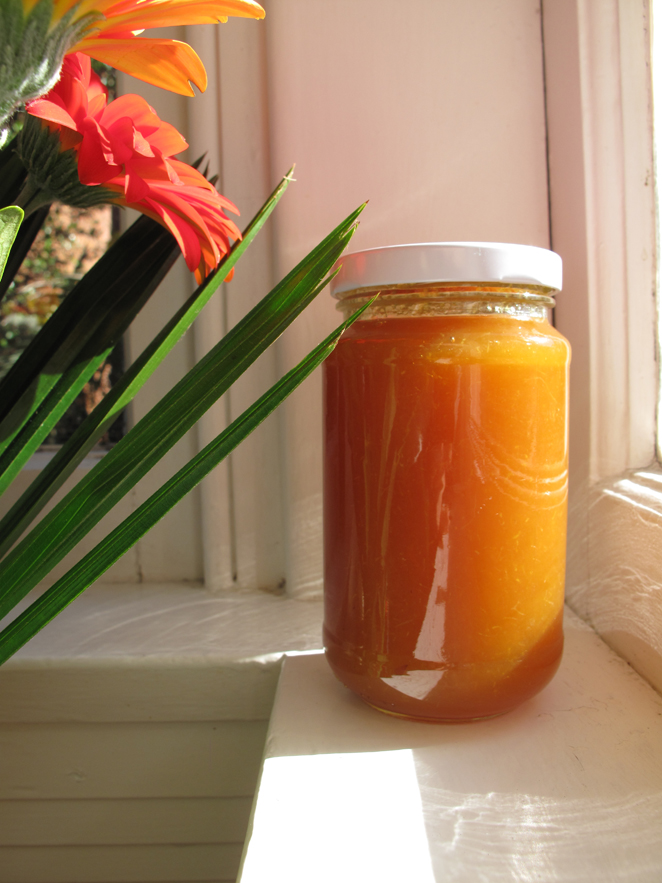
This mandarin marmalade drew me. Its sunny colour, and tang of sweet citrus, just begging for a little sourdough to accompany it.

Mandarin Marmalade

1.3 kilos skinned and segmented manderines

800mls water

Cooked up until soft (approx 1/2 an hour). Then wizzed up in a hand held mixer.

1 kilo sugar

1 large strip of lemon peel

Cooked up, and reduced until thickens. (Saucer test- put in freezer, then ladle a little jam on, if thickens and wrinkles then its ready.)

Pour into hot sterilized jars and seal.

* If you are not so keen on marmalade but like jam, this could be a good one. It doesn’t have the citrus tartness that normal marmalades do, due to their skins not being cooked up in the batch. The Monkeys loved this, and you know most kids don’t go for marmalade. It sits happily in between.

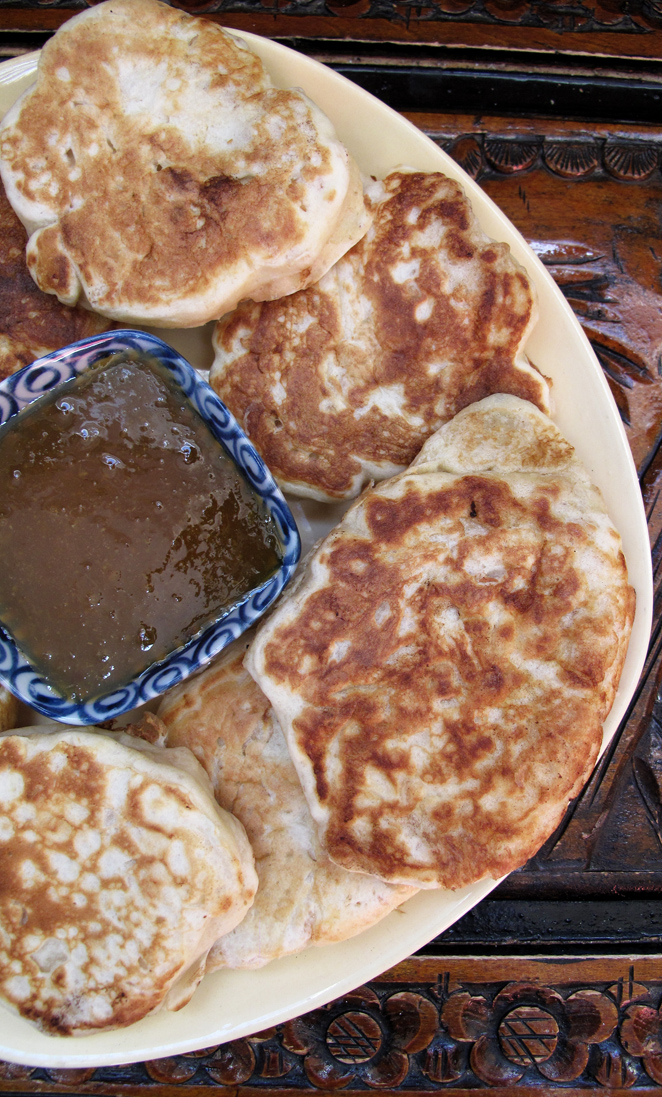
Sourdough Oat Cakes

Are they a pancake or are they a pikelet? Or a they simply an oat cake? I started making pancakes with oats in them quite awhile ago.

1/ It was something to do with left over porridge. (as an alternative to my grandmothers staple ‘mock brains‘).

2/ I added a lower glycemic index to the old pancake.

3/ I thought it was a bit tastier and more substantial than a traditional pancake recipe.

Not that I don’t love the traditional kind, but I am always hungry not long after, and with the added oats it keeps The Monkeys going longer as well. One day while talking to a Scottish friend, these little pancakes came up. She said that she had always made them and back home she called them oat cakes. There you go… oat cakes sounds much more appealing than porridge pancakes.

Now seeing as though I was well and truly aboard the sourdough train, I thought lets see what happens if I add some starter. I had originally wanted to make sourdough crumpets, but didn’t have any rings to cook in them so this was somewhere between. I was mixing it all up and Mr Chocolate went past asking what I was making… just playing. Seeing what will happen if I add this and this and then do this…

Verdict?

Deeelicious! Well thats what Monkey Boy said anyway. I’m sure the Little Monkey meant it too with his cheeks stuffed full like a squirrel. My oat cakes will now always be sourdough oatcakes. Gobbled up with in minutes.

Sourdough oatcakes

1 cup sourdough starter

1 cup plain flour

1 cup milk

50 gms butter

2/3 cup whole oats

1/2 tps bicarb soda

Put butter and oats in microwave together, (butter on top) and heat till melted. Add starter, flour, milk, buttery oats to mixer (I used a dough hook) and mix until well combined. Fold in bicarb soda and let sit for 3 hours in warm spot. Spoon into frying pan and cook as you would pancakes.

Crostata di Marmellata

What did you make for dessert Mama?

Crostata di Marmellata

huh…?

Jam Tart little fella, jam tart.

It just sounds better when you say it in Italian. I was flicking through an old Gourmet Traveller and came across this delicious looking recipe. I needed something for the following day. Friends were coming for brunch and crostata di marmellata looked like it could be on the menu.

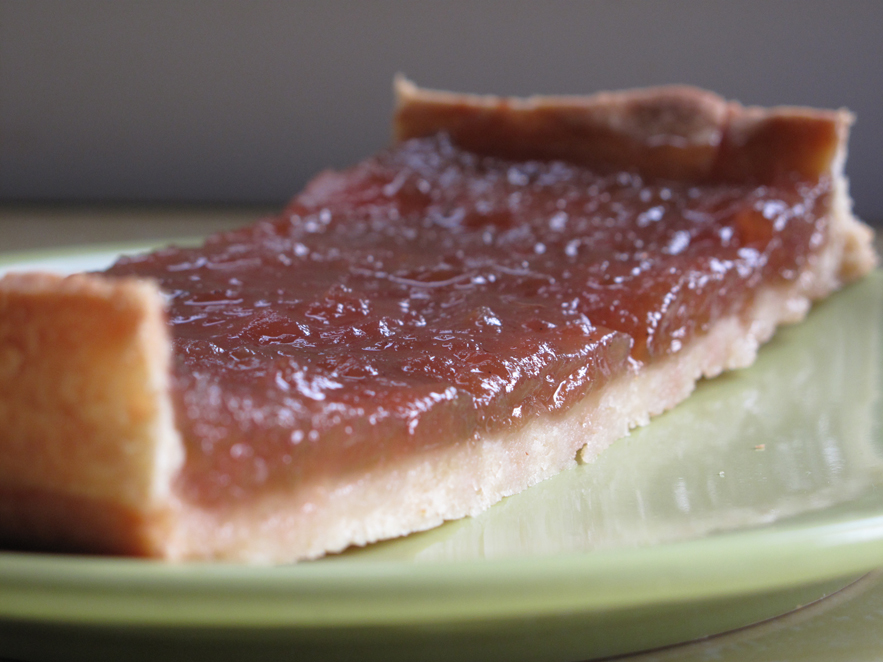
Adding some apple to the rhubarb jam, and slightly changing the recipe around- this was really tasty. The rhubarb jam I had a lot left over and the pastry not quite enough to do the lattice. So will have to make another to use up the left over jam… damn it. I think this one could become a firm family favourite.

Rhubarb was something that was always in my Nana’s garden. I don’t remember her cooking a whole lot with it, but it was always there. A Nana likes to have options you see. In the fruit shops or supermarket it always looks so tired looking and picked about a year ago. Then I came across some at the fox studios farmers markets– and hurray it was crispy, looked like it had been picked that morning and was just begging to be made in to something.

Rhubarb and Apple Jam

400gms chopped rhubarb

400gms chopped apple

800gms raw sugar

2 long strips of lemon peel

1 split vanilla pod

200mls water

Cook up, in the usual jam fashion. Simmering gently until jam has thickened and wrinkles (put small dish in freezer for 10 minutes, spoon small amount of jam on to it, if thickens and wrinkles, jam is ready.)

Pastry

180 gms flour
60 gms icing sugar
50 gms almond meal
1 lemon grated rind
1/2 tps vanilla extract
100 gms butter
1 egg
water (can’t remember how much I put in, enough to get dough like consistency)

Soften butter and mix in with dry ingredients until resembles breadcrumbs. Add vanilla, egg, water and grated rind. Knead well, until all incorporated. Chill until pastry is managable to roll out, and not be too soft. Roll out to desired shaped dish, add the jam and cook at 170C until golden.

5 drinks to dunk in while watching the World Cup

Here are 5 hot drinks to dip biscuits in to while watching the World Cup in South Africa.

Why are they hot? Because here in Australia it’s winter, and especially cool here in Sydney this week. Also with the time difference the games are being shown at rather unattractive times. 2.00am and 4.30am are fine when you have been out all night and you just want to ‘keep on truckin’, but not so friendly when you have two pint sized people that like to wake up for a cuddle, drink of water, toilet stop, snuggle in your bed, snuggle in their bed etc etc. Sleep is precious and continuous hours together even more precious.

HOWEVER, it’s the World Cup and there just might be a few games that would be worthy of going to bed a little earlier and then getting up to watch in the cold and dark. Now if I am going to do that, then I sure as eggs want something to warm my belly while I watch Mr Chocolate get all excited, silently pump the air and muffle groans in couch cushions. (Actually that’s reason enough to get up, if only for the entertainment in my lounge room.)

5 hot drinks to dip biscuits in while watching the World Cup


Chai Tea

black tea (either loose leaf or bag)

cinnamon

nutmeg

cardamom

knob of ginger

milk

honey

water

Cook all ingredients up in a pot. Adding amounts to suit taste. Let simmer for awhile to let all ingredients infuse together.

Spiced Hot Chocolate

50gms dark chocolate

2 cups milk

1 large strip orange rind

cinnamon

1 small fresh chilli, split and deseeded

Vanilla Milk

1 cup milk

1 dessert spoon muscavado sugar

1/2 tps vanilla

Ayurvedic Milk

1 cup milk

1/2 tps tumeric

1/4 tps nutmeg

Green Ginger Wine

* Now this one is quite often dismissed as an old persons drink of choice. Its cheap and its good! It warms you on a cold night, it keeps colds at bay when you have a niggly sore throat that could get worse, and it’s perfect as a little night cap and to get dunked with biscuits.

sourdoughs

Sourdough tastes good. It tastes reaallly good. Give me a fruity sourdough, with a little butter and I’m a happy woman.

I had toyed with the idea of making a sourdough starter for awhile, but it just seemed too hard. Too time consuming and too confusing as to what I was supposed to be doing. I read and I read, so many different ways to ‘start’ the starter, that my head hurt. All the pages were rolling into one, the words a blur, and nothing was sinking in. I closed my eyes at night thinking of starters and woke again, only to find my first thought of the day was sourdough starter…. Now what do I need to do again? Slash before prove or after? Steam? Oven at the hottest setting or turn it down a tad? Feeds beforehand? Ratio of starter to flour?…..?……?

Enough! Just do it girl. Get cracking.

Yes, there are a number of different ways to do it. Does that mean its complicated or versatile? Lets hope with versatile. I went with the “Bourke Street Bakery Cookbook” method, and for the next 3 weeks diligently fed dear “Suzie” (she had to have a name if she was going to be a permanent fixture in my kitchen) and hoped for the best.

* Now it must be said before I go any further. I’m a hack cook and a hack baker. I look for short cuts, I change recipes, and sometimes it could be said I completely bastardize recipes. Lets put it this way…. I’m not a sifter. Now this can be a downfall at times as the impatient me wants to take over and the delicate french chef in me gets thrown to the back of the kitchen. However, most of the time it works. The food is edible, and The Monkeys go to bed with a full and happy tummy. So for me, hack works… that being said, I wasn’t so sure hack was going to work in doing a sourdough starter.


I decided to do a rye starter. The rye apparently gets going easier and then you can switch over to normal flour, it just gives it a head start,(it’s then just a white starter.) So with rye flour and water in a bowl sitting on top of my fridge, the feeding began.

According to the method I was following, the starter wouldn’t be strong enough until after 3 weeks. But in the mean time I did play around with the portions I was supposed to be discarding.

Batch made with 'ferment'- oops

First up, a batch made at day 5. A Light Rye and Apple. Yeast used as a raising agent. Starter used more as ‘ferment’ taste. I have since read that you shouldn’t be using it at all at this stage as the bacteria levels are not right….. oops. I did wonder about this, as at this stage it smelt weird. Not like vomit, as I had read it could smell, just different… vomit didn’t sound so good.

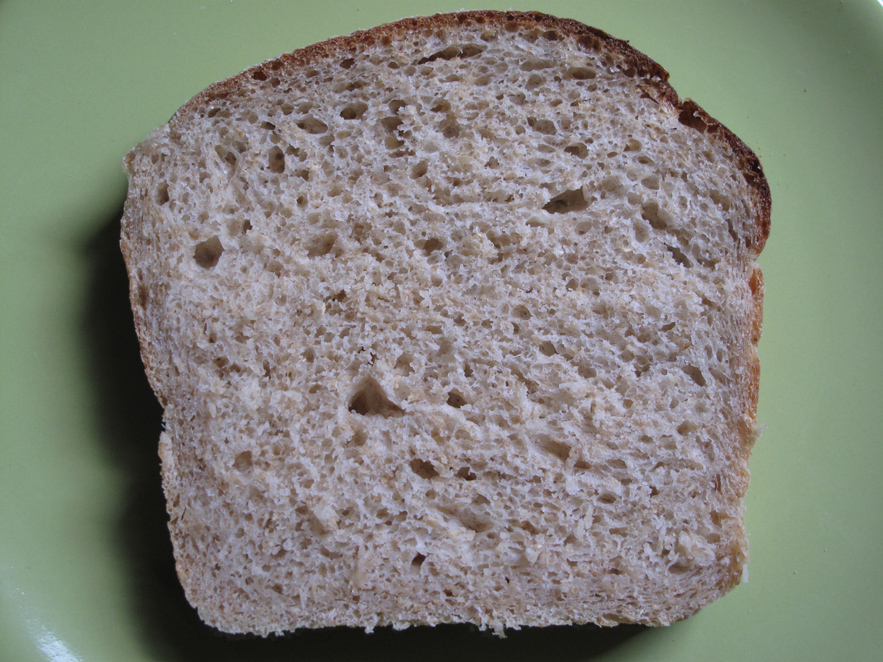
Sunflower and Linseed with a small amount of dried yeast for backup. Fermenting overnight in fridge

Seeing if it would work in the bread maker. Yep it did. No yeast added and rose beautifully. It did go dry quite quickly though, when used in sandwiches, but fine for toast. I did try and start the bread maker in the morning and then left it sitting for a further few hours to prove before continuing on to cook. It rose beautifully again but then I worked out there wasn’t a just cook button and it had reset itself. So won’t be doing that one again…. dense, (the bread not me…or maybe a little of both.)

no commercial yeast, 10 hour prove

Light Rye with no yeast, two bulk proving times, and cooked 10 hours after starting.

Sunflower and Linseed, one feed 8 hours before mixing ingredients, 2 x 1 hour proving times with a knock back in between, then a slow ferment overnight in the fridge for 10 hours.

I still have to try the Bourke Street Bakery method of feeding the starter 3  times in 24 hours before adding other ingredients, then a long ferment over night. Some people do the extra feeds to build it up and some don’t. It seems there are so many methods in working with natural yeasts, and it’s just a matter of finding what works for me. That being said, if by chance anyone that knows what they are doing reads this and sees something that screams out- No you shouldn’t be doing that! Please let me know. Or just a sourdough tip, and the best methods that work for you.

Overall- I am really happy with the outcomes. I should have done a bread making course so all of this makes a bit more sense, and am hoping to down the track. But until then, I have a starter bubbling away happily, I’m producing edible bread, (actually it’s more than edible it’s really tasty!) I don’t have to rely on commercially made yeasts. I’m saving a bucket of money by not buying shop bread. (For the same price of 2 shop bought sourdoughs, I am getting 12 kilos of flour which in turn makes…. lots more loaves.) Then just playing around with different flavours, etc. like sunflowers, rye, bran, pepitas, apple.

I’m finding it so satisfying to make these breads, it really does feed my soul. I’m truly amazed that they rise and taste good, I just wish I knew more of the how, where, why part of bread making with natural yeasts.

In the mean time though, hack is working.

Getting surly about celery

I like buying organic celery. I like it being available at my local large chain supermarket, and when it’s not there I get cranky. It doesn’t cost that much, it’s usually fresh and crispy and I like to add it to a lot of cooking. It was so fresh and crispy recently that it had two resident slugs and an earthworm worm in it. Now that’s a happy celery.

I tried to buy it the other day, and it was out of stock. Other supermarket no organic produce. Fruit shop says no to organics and health food shop all out…. sigh.

Fine, I will do with out it….

No damn it, I want my organic celery!

Swimming lesson for Monkey Boy and it happens to be near a rather large shopping centre. Right I will pop in there and get it. Their chain supermarket is really big in there, no problems…. in I go and they have completely gotten rid of their organic vegetable section, except for a couple of flaccid looking zucchinis. Flaccid zucchinis are not going to cut it.

Feeling a little deflated now, I half heartedly walk into a really large fruit and vegetable shop and ask if they have an organic celery…

say what?…

organic celery?…

you want what?!…

organic….

oh never mind do you have any organic anything?…

Organ?…Oh organic, no no no no.

Right.

Feeling like I wanted to stomp my foot and yell “I want my celery!” I left.

Leaving the shopping centre all I felt was an overwhelming sense of I don’t fit in here. The consumerism that was surrounding me made me feel as if I was going to choke. The jacket suddenly felt tighter, the neon lights that bit brighter the donuts that bit more pinker. Through the sliding doors I rushed, (without my celery) Why does no one else want to buy organic celery?! (Ok, so it wasn’t all about the celery, I was having a bad day, and this just topped it.) Outside, I breathed in the late afternoon drizzly rain, and walked back to where my boys were watching my boy swim his first ever lap. Suddenly the celery didn’t matter. The consumerism while annoying, it wasn’t my life. As I watched Monkey Boy get out of the pool, a twinkle in his eye  and a proud walk in his toes. I knew that the organic celery could wait, and I would get some next time. (And if it wasn’t there next time?… then I was going to be one of those annoying customers that keeps badgering them until they did.)

* Shoppers guide to residual pesticides in fruit and vegetables. While this is a USA publication, (at this stage I am unable to find an Australian one) I am led to believe that Australian grown produce would be similar in its residues. With celery topping the list.

How to make Pici and share some love

Pici is a hand rolled pasta from the Tuscany region. Like the orecchiette, it’s a labour of love…. but jeez, it’s worth it. Side track the kids and go and bond with your partner in the kitchen. Pour a glass of wine, roll some pasta  together and share the love. If you are by yourself, crank up some music and let your mind wonder to every lovely thing thats ever happened, and enjoy that wonderful you time.

This is how we spent a Sunday, well a couple of hours of it. Chatting and rolling, chatting and rolling.

The Monkeys had other things to do such as reorganise the book shelf, dismantle the pram  and build duplo towers as tall as themselves. It was so lovely just to talk and make pasta. The rhythm of the pasta rolling hooks you in, your hands doing the same methodical thing over and over until the benches are all covered in drying pasta. Your hands in a rhythm, lets your mind wonder. I love nothing better than a passionate discussion about something. Time to really dissect the topic and explore it. Rolling the pasta and standing in the kitchen let us do just that. Unlike the  chocolate making from another weekend before, this one had happy smiles all over it.

….and you could taste that love and happiness in the pici.

Pici

450 grams fine ground semolina flour

225 mls water (approx)

In a bowl, slowly add the water to the flour, to form a stiff dough. It should be quite smooth and not really sticky to touch. To get to that smoothness, knead, knead, knead. It can be quite a stiff dough initially. Pull off a small palm sized piece, rolling it into a snake approximately 2cm  thick. Then using a knife, cut small 3cm portions off. Rolling one portion in your hand and then finished off on the board. (so it’s now a long thin snake) Pressing down with a skewer stick, length ways, following the body of the snake. The skewer sitting in the middle, lift up and then gently rolling the pasta over, to form a hollow noodle. Lay the pasta on a sprinkling of semolina to avoid sticking, and let dry for awhile before cooking.

Serve it with a simple sauce. Let the pasta be the main part of the dish, and the sauce the accompaniment. A little olive oil, a little garlic, some cherry tomatoes, a good bit of some great parmesan….

Buon appetito.

Banana Honey Bread

Honey is such a versatile ingredient for cooking. My pantry is never with out it, and no small jars of it for us. I have a 3 litre container of bush honey which my dad got for me from his local area and a pot of creamed honey I had bought at a local old lady charity shop down south. Both are delicious. Even though nobody in this household actually eats it straight, it is used in lots of different cooking. From smoothies, tea, coffee, chai, muffins, apple crumble, cakes, biscuits and for this recent recipe Banana Honey Bread.

Honey can be traced back to Egyptian times, used for the making of Mead, used medicinally, you can preserve  it for a really long time and as I like to use it- as a natural exfoliant when doing a facial. (Try it, the honey works really well.)

Today its for making bread though. Add some bananas that need to get used up, add a few more bready ingredients and you are away. A cheap, tasty snack or something different for breakfast.


Banana Honey Bread

* adapted from Jamie Oliver’s Happy Days with the Naked Chef

3 1/2 cups strong bread flour

100mls water

whizzed up banana- about 4 medium sized ones

1 tps cinnamon

1 tbs raw sugar

1 tbs salt

2 1/2 tps dried yeast

2 tbs honey

1/2 cup linseed meal

* extra honey and flaked almonds for the top.

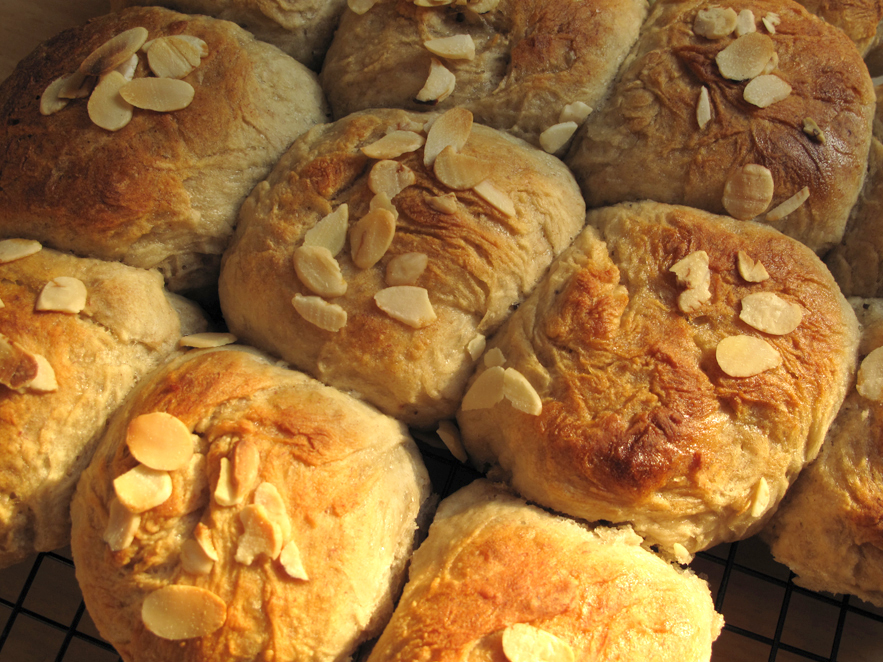
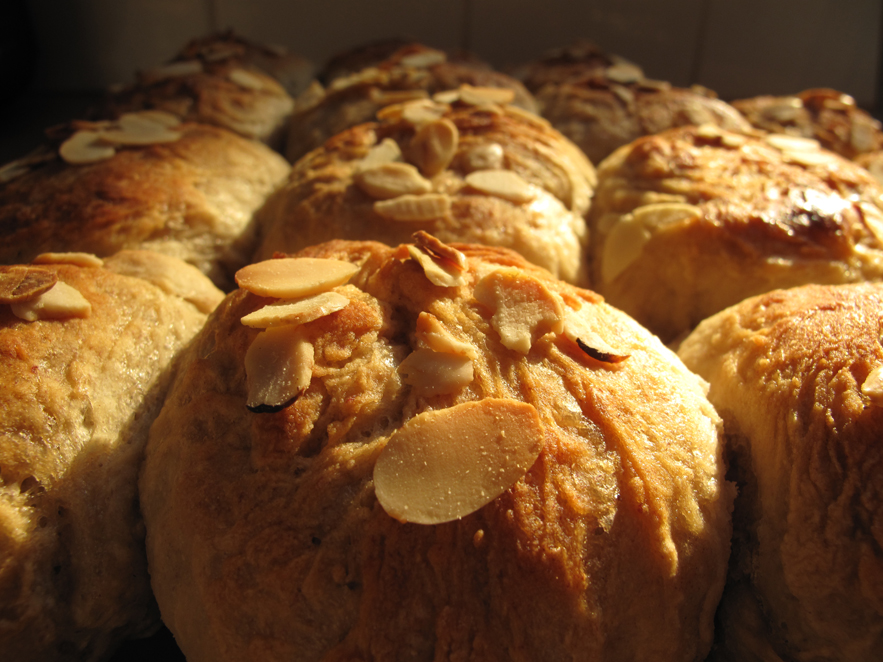
Mix all ingredients with a dough hook in mixmaster, until combined well and pulls away from the edges. The dough looks quite wet and glossy. Cover with cling wrap and leave in a warm spot until doubled in size. Knock it back, quick knead, and leave to prove until doubled in size again. Shape the dough into small balls and place next to each other on a lined tray. Leave for half an hour. Drizzle more honey on top and scatter flaked almonds.

Cook at 210 C for about 20 minutes.

Easy thing to have for breakfast, a snack, or whack in the freezer and get out as needed. The Little Monkey loves these, and if he is having a fussy day eating, these always get gobbled down.

Evolution of Frugal Food

To me the evolution of food is fascinating. How dinner plates get changed over the years, dependant on where you live and what is available. Asking my family recently about food they grew up with had me fascinated as there were details there that I hadn’t been told before and I hadn’t even considered.

My grandmother grew up during the depression, in rural Australia. Born in 1930, her childhood years saw the brunt of the depression years followed by World War II. With both these factors, frugal dining wasn’t a life style choice, it was way of life. It was the only way of life that she knew for those first formative years.

A dinner meal might have what ever vegetables were able to be grown in the back yard. Such as potatoes, carrots, turnips, (turnip tops were eaten as greens). Mutton was the meat of choice with all parts being eaten. Mock brains were a favourite. Which consisted of left over porridge, beaten egg, salt and pepper rolled in to a rissole and fried. Rabbit would quite often replace chicken as it was cheaper and more readily available.

There was a lot of rationing during the war time, so this meant that everyone stretched out there dinner plate. Waste was not an option and anything ‘leftover’ was turned into something else. Every gram of fat dripping was used, and any meat that wasn’t as fresh as it could be was cooked up as a curry. A lot of people had chooks in the backyard, so there was always eggs.

Whats for dinner in 1930-1940 at Grandma’s house?

A boiled leg of mutton, with some boiled potatoes, carrots and turnips on the side.

When it came time for my grandmother to feed her own children, waste was never an option again. Even though bringing up kids in the 50’s and 60’s was much more a time of plenty. For my grandparents there was a certain amount of comfort brought with a steady doctors income and no Depression or World War lurking. However, to be wasteful of food was not going to happen. Those frugal beginnings were now in built.

My father would often eat food such as lamb brains, …. Much to his now disgust, offal was often served to both him and his younger siblings. This was a generation that hadn’t seen hard times, but still my grandmother liked to put on the table all parts of the beast. Those meaty offcuts so relished by her family during her childhood days. Meat was served at every dinner, in the form of lamb shanks, liver and bacon, rissoles. Spaghetti bolognese emerged and desserts were simple, such as bread and butter pudding.

Whats for dinner in 1950-1960 for my dad?

Meat and 3 vegetables. Lamb cutlets with steamed carrots, potatoes, peas.
After my father left home and had met my mother it was a time of the 70’s. New tastes were on plates. Things were appearing that hadn’t been available before. Food stuffs that were foreign and exciting. With more immigrants coming to Australia, also brought different ideas. For two young hipsters, living out the back of a kombie however food remained frugal. My parents were inspired by the ‘hippie’ earth magazines of the time, bringing new often Indian inspired dishes to the table. Spices such as cumin, coriander, tumeric, that hadn’t been used by their own families growing up.

My childhood, also saw its fair share of frugal food dinners. The dollar being stretched to feed myself and my siblings. There always seemed an abundance of food available, but looking back I can see that my mum would work for many long hours in the kitchen to achieve those delicious tastes. Fruit was preserved, jams were jarred, fish was bought whole, vegetables were bought in bulk (if not grown), and bread was made third daily. Chooks were always in the back yard. This substantially decreased our weekly food bills.

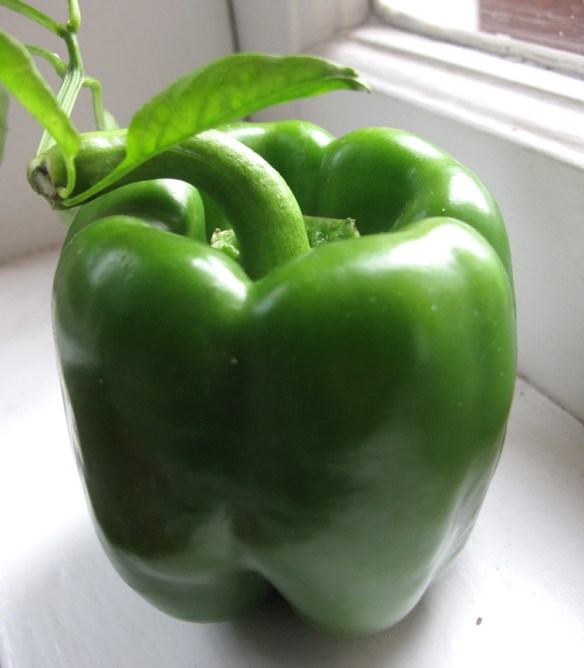
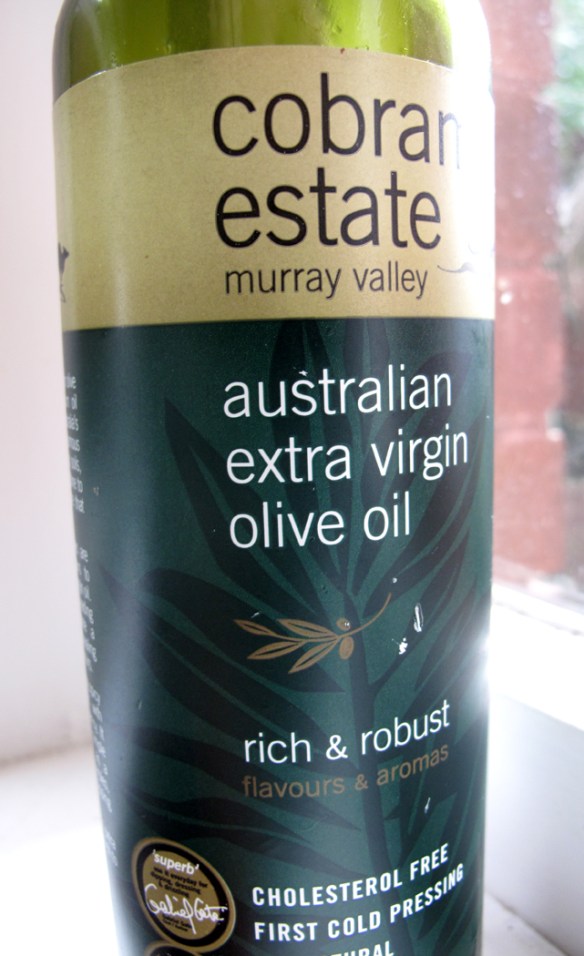
A frugal dinner in my childhood was often a bowl of lentils, Indian style. This dinner, some 30 years later is still a favourite with my siblings. A source of comfort? A nurturing food memory perhaps? Not one for cereal, my sister would often be on the brink of tears, if there hadn’t been enough lentils left over from dinner for the following breakfast. Yoghurt was emerging, vegetables such as capsicums were becoming available and olive oil was rearing its head as a food item rather than a medicinal one.

Whats for dinner 1970-1980 on my childhood plate?

Indian style lentils, served with brown rice.
Cooking a frugal dinner now. Jeez, so many options! So much produce is grown in Australia now, so many wonderful things to make while still keeping within a budget. My monkeys are lucky I think, so many great things. I’m sure as they get older there taste buds will mature, and my cooking habits will evolve as well. A diet that surrounds so many dishes that my grandmother in her childhood would never have heard off. Pesto, dhal, zucchini, capsicums, houmus, pizza, cherry tomatoes, all regular stars of the weekly dinner plate now.

So what is for dinner in the 2000’s on The Monkey’s plates?

Spaghetti with garlic, olive oil, diced capsicum, cherry tomatoes, and shaved parmesan.

So cheap, so easy, and utter silence at the table. Nothing but the sweet sounds of chewing and slurping. Just as it has been done for 3 generations before them.

Recalibrated

There are some things in life that just make me sit back, take a big outward breath and smile. There are some things that always make me feel like this and some things that take me by complete surprise. With that big deep breath taken, all momentary worries are gone. All stresses have been shelved and happiness raises its sunny head. It can be so brief, but with that moment taken, everything gets recalibrated.

The monkeys are going mental and the very average morning looks like its dragging into a very average long day. Then with the tiny few words of Monkey Boy saying something completely out of the blue. It stops me. That breath is deeper, actually filling my lungs, I smile, and everything gets re-aligned. Completely changing the rest of the days attitude.

Black cockatoos do it too. From a young child these beautiful birds seem to have had a spell over me. They are flying over head at dusk, looking for a place to rest for the night. Their slow and deep cry speaks to me. Stops me in my tracks, pulling my eyes towards them, watching their slow flight over head. That mournful cry, tugs at me. Making me smile… re-calibrated again.

The simple process of making bread at the moment is what I feel I need to do. The process of making, baking and then eating such a simple thing, really gives me a lot of pleasure. The simple tastes of freshly made bread, butter and my own jam. Can make a hungry stomach, a happy one with just one bite. With just a few mouthfuls, energy re-stored, mind re-aligned and city hippy farm girl re-calibrated once again.

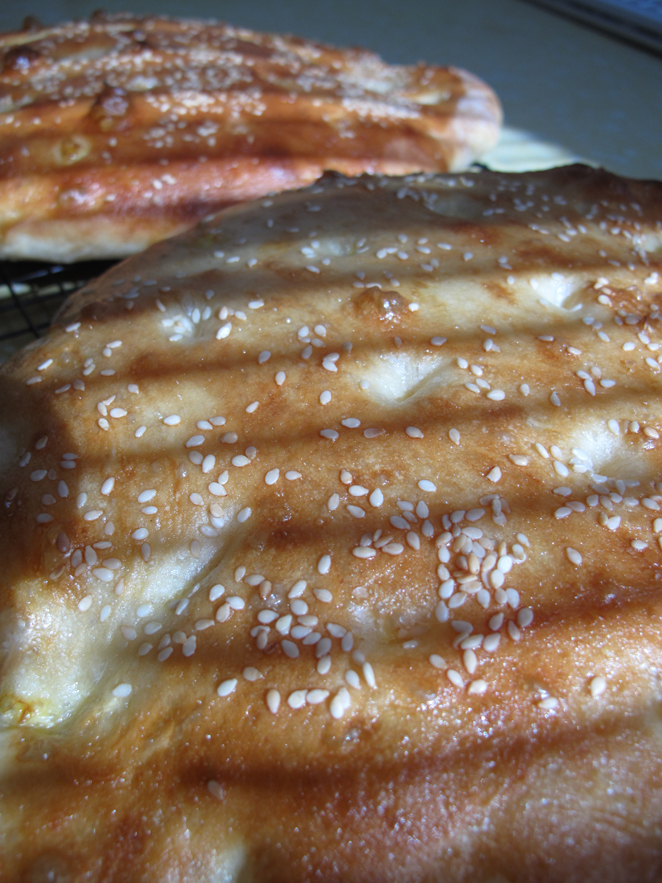
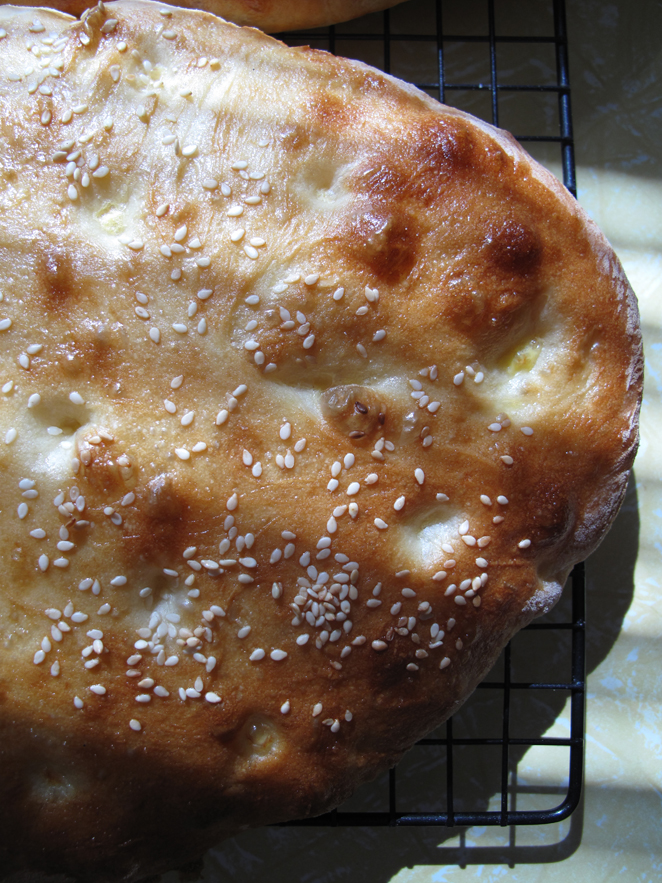
Turkish Bread

Turkish Bread

* adapted from sbs Food Safari recipe

1 tbs dried yeast

pinch of caster sugar

375 ml warm water
480 g strong bread flour
1 teaspoon salt
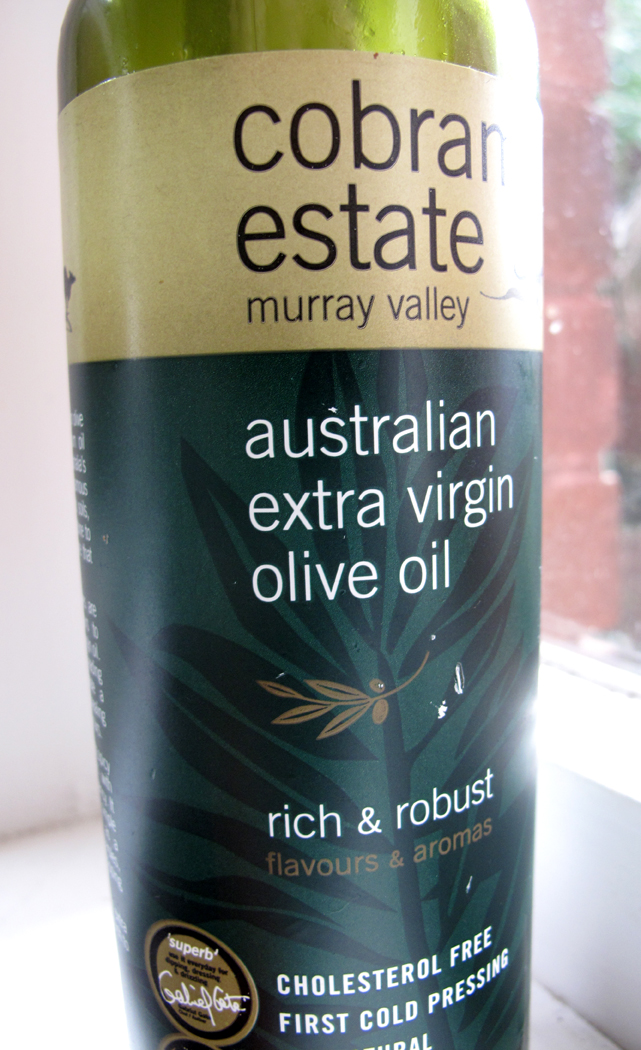
60 ml extra-virgin olive oil
1 egg
50 ml milk
sesame seeds

Dissolve the yeast and sugar in 125 ml of the warm water and set aside in a warm place for about 10 minutes until frothy. Use your fingers to work 90g of the flour into the yeast to make a sloppy paste. Sprinkle lightly with a little more flour, then cover with a tea towel and set aside in a warm place for 30 minutes to form a ‘sponge’.

Put the remaining flour and the salt into a large bowl. Make a well in the centre and add the sponge, oil and remaining water. Use your fingers to work it to a soft, sloppy dough. Should be quite sticky.

In a mixer with a dough hook, on a low speed for 10–15 minutes until very smooth and springy. Transfer to a lightly oiled bowl, then cover with a damp tea towel and leave to rest at room temperature for 1 hour or until doubled in size.

Preheat the oven to its highest setting. Divide the dough in two, then form into rounds and leave, covered, to rest for 30 minutes. Mix the eggs and milk to make an egg wash. Place the dough on a lightly floured work surface. Use the heels of your hands to press and flatten each piece of dough out to a 20 cm oval.

Brush the surface liberally with the egg wash. Dip your fingertips into the egg wash and mark rows of deep indentations across and down the length of the dough, leaving a narrow border.  Sprinkle with nigella or sesame seeds and bake for 8–10 minutes until crisp and golden brown.

Locavoring @ Fox Studios Farmers Market

A morning spent at Fox Studio’s Farmers Markets. My wallet a little leaner, my fridge a little fuller and my locavore selection criteria for the day, well and truly ticked.

Shopping list

Free Range Ham– Bought from Quattro Stelle, a small Italian family run business that runs out of  Kingsgrove . All products are made from Berkshire free range pork. The Berkshire pig is a heritage breed, ( like a heirloom tomato). This ham was sooo tasty. When you compare the taste of normal shop ham and then this one…. phew! No comparison. Thumbs up for this one for sure.

Fetta– Bought from Small Cow Farm. Located in Robertson, Southern Highlands. This company also runs cheesemaking courses- which sound fantastic. Taste wise, pretty good too. There are two fetta wheels in the little bucket, and priced at $14.50 for 400 grams. Monkey boy couldn’t get enough of this stuff.

1 kilo Sausages– Bought from Spring Hill Beef. Located in Burrawang, Southern Highlands. A company that farms grass fed Black Angus cattle.

1 large bag of assorted vegetables– Bought from family owned business located at Horsely Park in the Sydney basin.

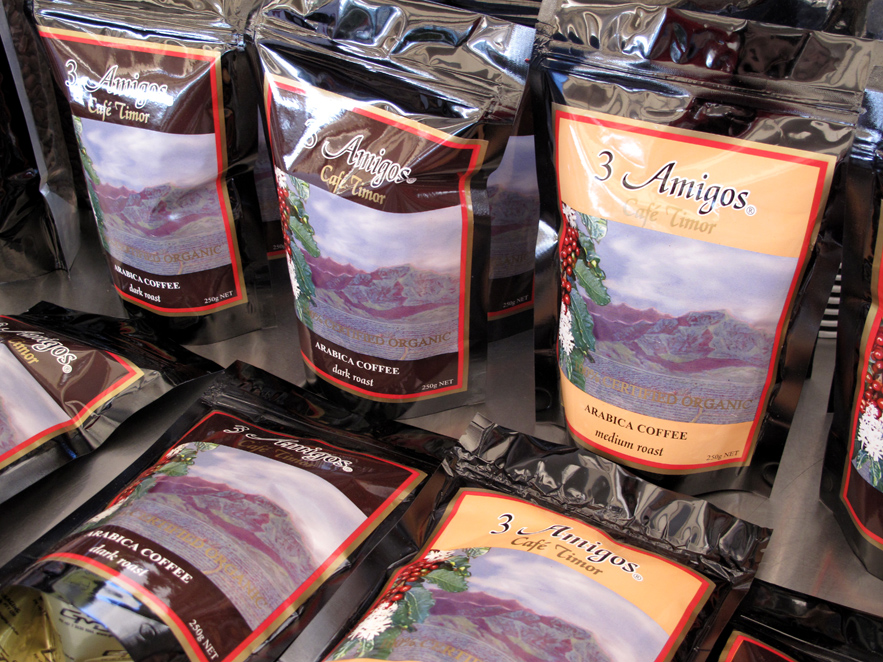
Freshly ground coffee- 3 Amigos/Cafe East Timor, is my favourite coffee. At this stage they are only selling it at the markets, or you can call up and they will post you out some. Grown in East Timor, roasted in Sydney, and ground when you order it. 100% Arabica beans are used, organically and fairtrade produced. This is a lovely fresh coffee. I get a little antsy when our stock is running low, until we buy up again. I have tried a lot of different fairtrade coffees available and this one consistently still sticks out.

the chocolate gene

Chocolate.

Chocolate seems to play a very big part in this family. I wasn’t so fussed on it until I met my husband, otherwise known as Mr Chocolate. He doesn’t need chocolate, chocolate needs him. If he stopped consuming, the whole chocolate industry may just tumble down. So it’s safe to say after we first got together, he has slowly infiltrated my chocolate past, to a home now that is not complete unless there is a little dark something hidden away somewhere.

The monkeys came along and they too have inherited the dreaded chocolate gene. Other sweets thrown aside and scorned, their eyes only on the good stuff…. chocolate.

Monkey Boy is rather partial to a piece of dark chocolate, and will happily savour it, holding it in his hand and slowly nibbling at the outsides. The Little Monkey will suck up anything in his path to get to it. With a spark in is eye, and very fast feet… “Choklo! Choklo!…. CHOKLO!”

A friend recently challenged Mr Chocolate on a Chocolate Extravaganza (who could eat the most), I was quietly skeptical, but remained cheerfully optimistic. My pint sized girl friend had not seen my man in action you see. She thought her modestly gutsy efforts in consuming a packet of Tim Tams would match the “why stop when there is still more” attitude of my husband. The Chocolate Extravaganza was cancelled. Scared off, with the rather sombre face of mine, and whispered words of “You don’t have a chance…. you will NEVER win against him…”

When I first met Mr Chocolate, any chocolate would do. Sure he had his favourites, but when it came down to the line, he wasn’t that fussy. Years have gone by, and more than a few kilos of chocolate later, that line is in a completely different position. We try to be as mindful as possible, on what brands and types we buy. A sucker for dark chocolate, we really like Whittakers Dark Ghana. It’s a New Zealand company, that uses Fair Trade Chocolate, readily available and doesn’t cost an arm and a leg. The Dark Ghana comes from Ghana (duh) and is bought through the Kuapa Kokoo cooperative. This Fairtrade certified cooperative of cocoa farmers has 45,000 members. Selling this way keeps the prices higher and more stable for the seller. Also investing in better farming methods that are more sustainable for their themselves and their industry.

Its great that there are more and more chocolate companies looking at changing their sourcing methods and encouraging fairtrade practices. This must mean that through greater awareness people are changing things with their spending dollars.  An example is Cadbury . Cadbury Schweppes is one of the largest producers of chocolate in the world  and has recently started producing a fair trade option for their Dairy Milk range in Australia. Be it a little controversially.

I know there are loop holes in these methods and problems will remain with things like child labour, but the more people talk about it and the more the consumer makes a choice with their shopping dollar the more, (I am ever hopeful) changes will come of it. There are more and more fairtrade chocolate options being made available, just have a peek.