To me the evolution of food is fascinating. How dinner plates get changed over the years, dependant on where you live and what is available. Asking my family recently about food they grew up with had me fascinated as there were details there that I hadn’t been told before and I hadn’t even considered.
My grandmother grew up during the depression, in rural Australia. Born in 1930, her childhood years saw the brunt of the depression years followed by World War II. With both these factors, frugal dining wasn’t a life style choice, it was way of life. It was the only way of life that she knew for those first formative years.
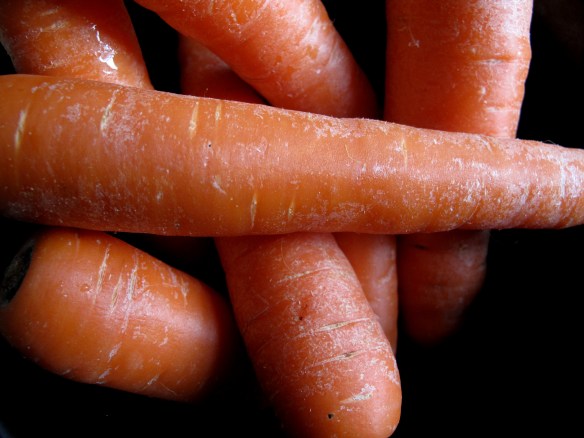
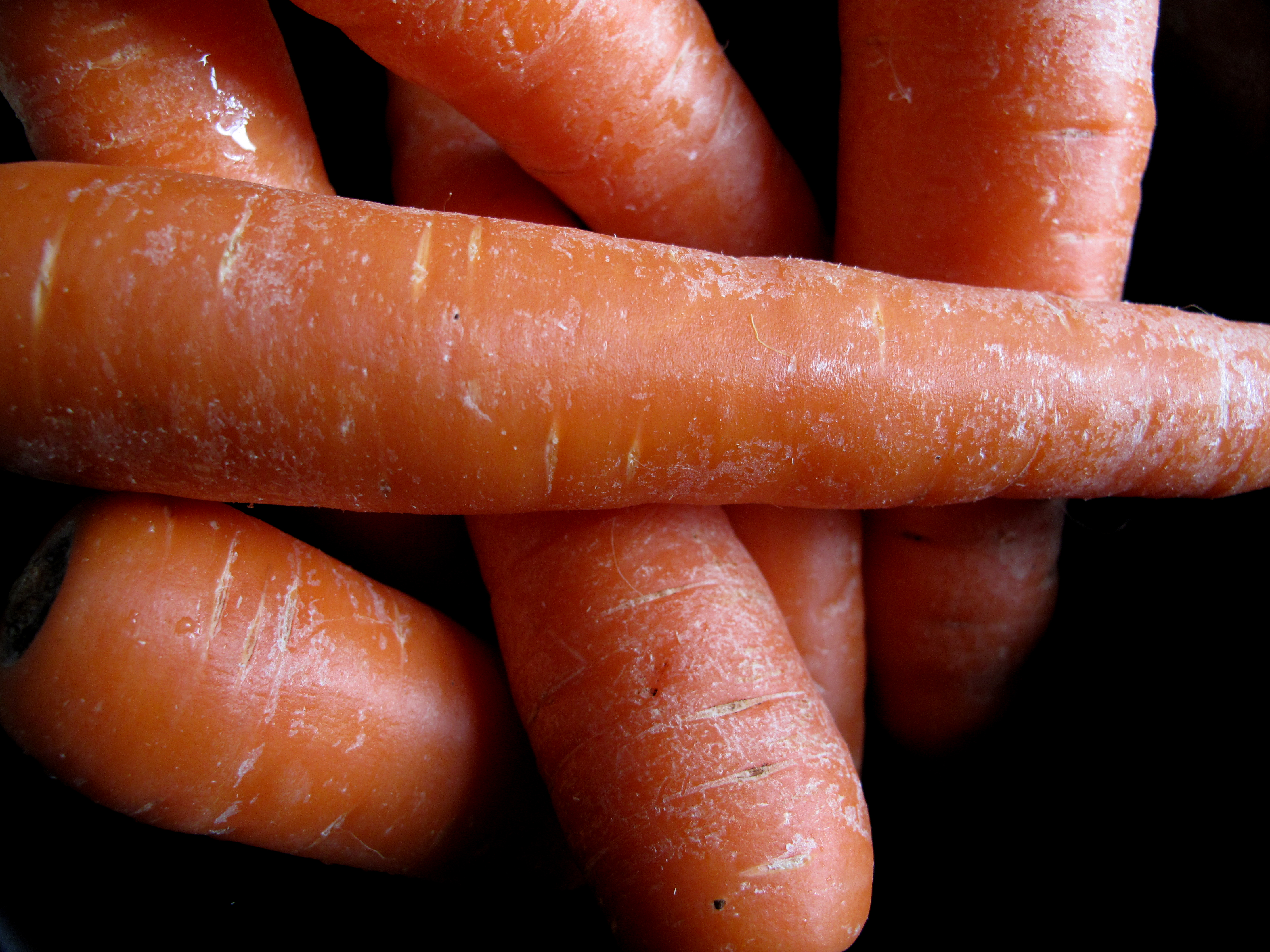
A dinner meal might have what ever vegetables were able to be grown in the back yard. Such as potatoes, carrots, turnips, (turnip tops were eaten as greens). Mutton was the meat of choice with all parts being eaten. Mock brains were a favourite. Which consisted of left over porridge, beaten egg, salt and pepper rolled in to a rissole and fried. Rabbit would quite often replace chicken as it was cheaper and more readily available.
There was a lot of rationing during the war time, so this meant that everyone stretched out there dinner plate. Waste was not an option and anything ‘leftover’ was turned into something else. Every gram of fat dripping was used, and any meat that wasn’t as fresh as it could be was cooked up as a curry. A lot of people had chooks in the backyard, so there was always eggs.
Whats for dinner in 1930-1940 at Grandma’s house?
A boiled leg of mutton, with some boiled potatoes, carrots and turnips on the side.
When it came time for my grandmother to feed her own children, waste was never an option again. Even though bringing up kids in the 50’s and 60’s was much more a time of plenty. For my grandparents there was a certain amount of comfort brought with a steady doctors income and no Depression or World War lurking. However, to be wasteful of food was not going to happen. Those frugal beginnings were now in built.
My father would often eat food such as lamb brains, …. Much to his now disgust, offal was often served to both him and his younger siblings. This was a generation that hadn’t seen hard times, but still my grandmother liked to put on the table all parts of the beast. Those meaty offcuts so relished by her family during her childhood days. Meat was served at every dinner, in the form of lamb shanks, liver and bacon, rissoles. Spaghetti bolognese emerged and desserts were simple, such as bread and butter pudding.
Whats for dinner in 1950-1960 for my dad?
Meat and 3 vegetables. Lamb cutlets with steamed carrots, potatoes, peas.
After my father left home and had met my mother it was a time of the 70’s. New tastes were on plates. Things were appearing that hadn’t been available before. Food stuffs that were foreign and exciting. With more immigrants coming to Australia, also brought different ideas. For two young hipsters, living out the back of a kombie however food remained frugal. My parents were inspired by the ‘hippie’ earth magazines of the time, bringing new often Indian inspired dishes to the table. Spices such as cumin, coriander, tumeric, that hadn’t been used by their own families growing up.
My childhood, also saw its fair share of frugal food dinners. The dollar being stretched to feed myself and my siblings. There always seemed an abundance of food available, but looking back I can see that my mum would work for many long hours in the kitchen to achieve those delicious tastes. Fruit was preserved, jams were jarred, fish was bought whole, vegetables were bought in bulk (if not grown), and bread was made third daily. Chooks were always in the back yard. This substantially decreased our weekly food bills.
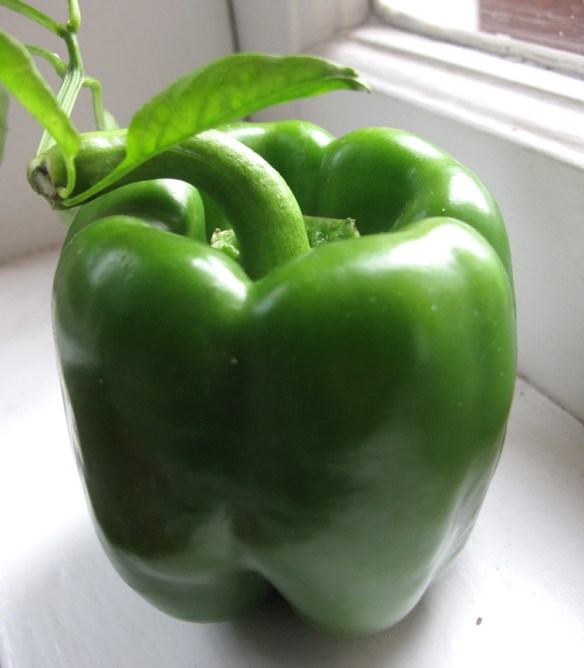
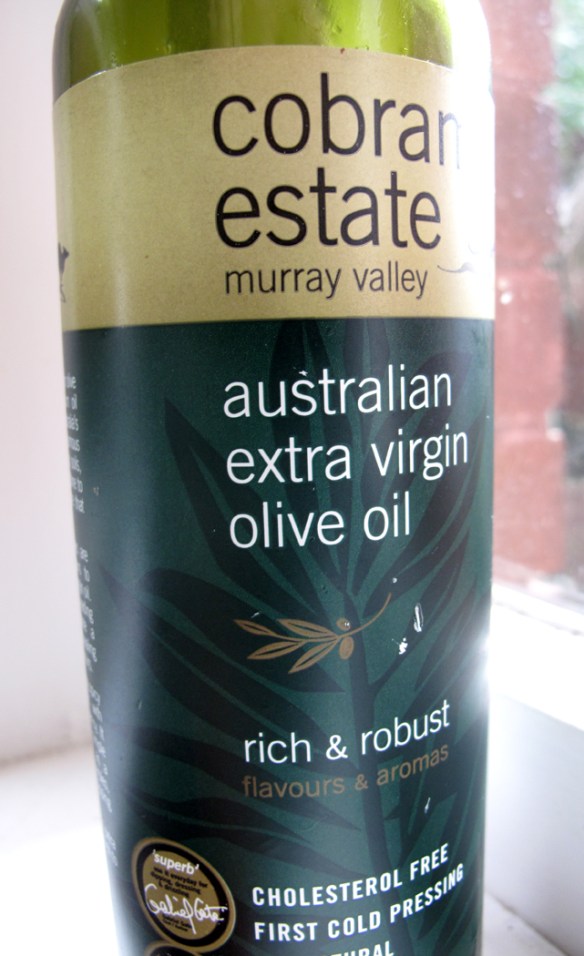
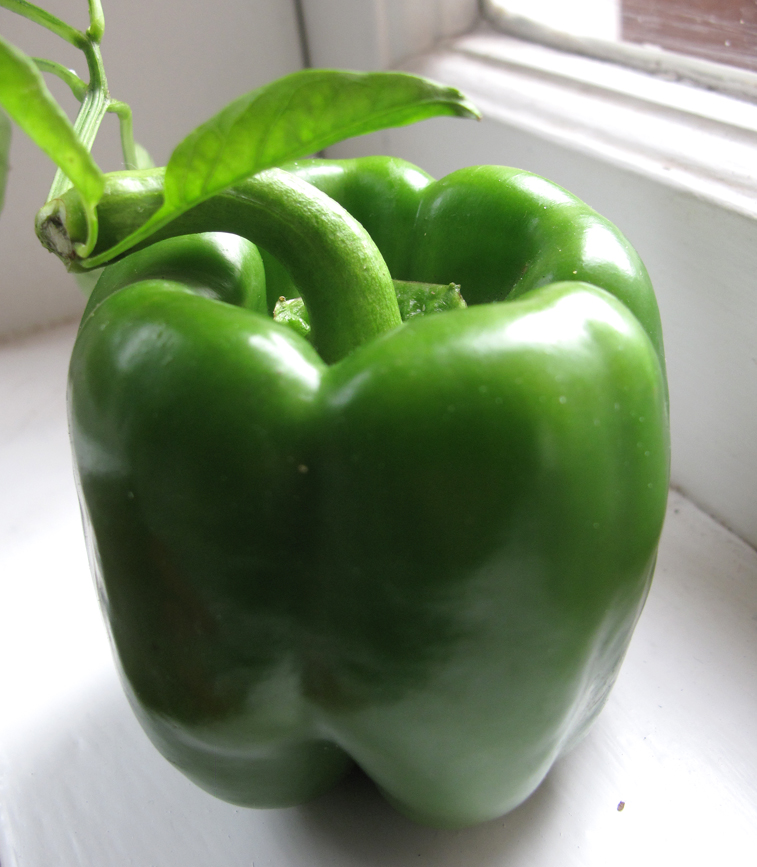
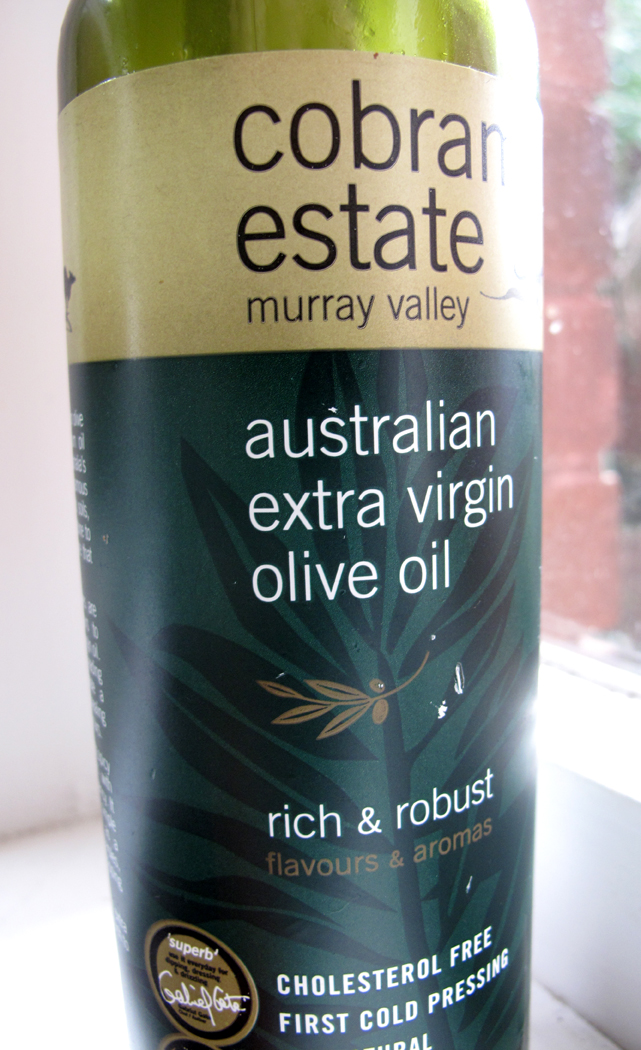
A frugal dinner in my childhood was often a bowl of lentils, Indian style. This dinner, some 30 years later is still a favourite with my siblings. A source of comfort? A nurturing food memory perhaps? Not one for cereal, my sister would often be on the brink of tears, if there hadn’t been enough lentils left over from dinner for the following breakfast. Yoghurt was emerging, vegetables such as capsicums were becoming available and olive oil was rearing its head as a food item rather than a medicinal one.
Whats for dinner 1970-1980 on my childhood plate?
Indian style lentils, served with brown rice.
Cooking a frugal dinner now. Jeez, so many options! So much produce is grown in Australia now, so many wonderful things to make while still keeping within a budget. My monkeys are lucky I think, so many great things. I’m sure as they get older there taste buds will mature, and my cooking habits will evolve as well. A diet that surrounds so many dishes that my grandmother in her childhood would never have heard off. Pesto, dhal, zucchini, capsicums, houmus, pizza, cherry tomatoes, all regular stars of the weekly dinner plate now.
So what is for dinner in the 2000’s on The Monkey’s plates?
Spaghetti with garlic, olive oil, diced capsicum, cherry tomatoes, and shaved parmesan.
So cheap, so easy, and utter silence at the table. Nothing but the sweet sounds of chewing and slurping. Just as it has been done for 3 generations before them.
 cityhippyfarmgirl