The Garden that Grows

garden || cityhippyfarmgirl

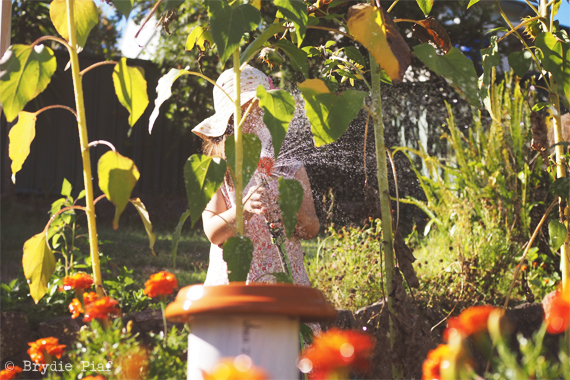
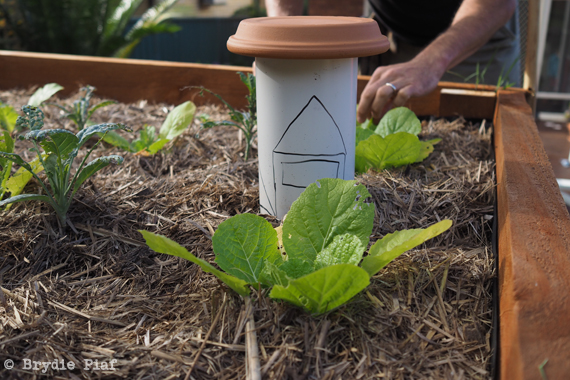
It’s 5.30am and there is a grey stillness to the morning. Although light the sun won’t properly rise for another 15 minutes or so. The quiet hour, the garden hour. It’s summer holiday period round these parts and a different rhythm that doesn’t get found often. Mornings have been spent in two ways of late. Either by the waters edge or here, in the garden.

After a year now of creating beds, building soil profiles, planting, transplanting, weeding, growing, harvesting and eating. This small city garden has just now gone through 4 seasons.

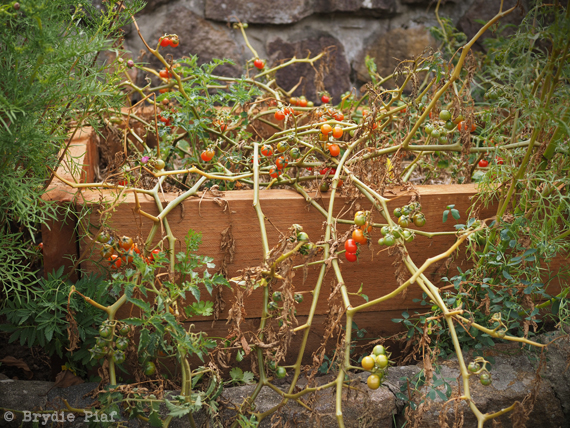
We’ve tracked shadows during the colder months, picked 10’s of kilos of tomatoes during the warm, and frowned over countless unseen critters and their impact on our growings.

This is something that has been a long time in the making. Where small potted plants gave way for a variety of raised garden beds. There are still lessons to be learnt, corners to build up, and plants to try out, but it’s a start, and a wonderful one at that. A tiny corner to take refuge from the noise of the day, a place to grow vegetables and ideas. A pocket of edible greens in an otherwise landscape of lawns.

It’s not perfect, and there are still a multitude of lumps to work through, but it’s got sun, soil, water, and enthusiasm. With that goes a multitude of possibilities.

This is the garden that grows.

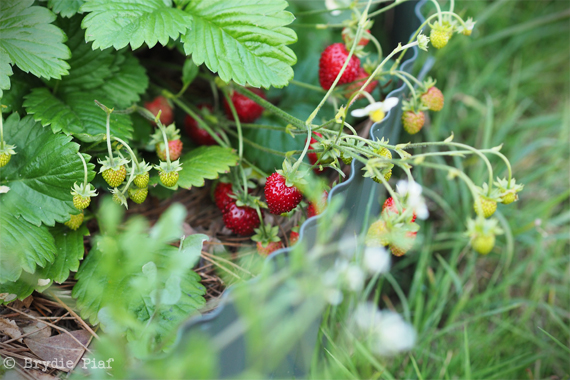
strawberries-cityhippyfarmgirl

More garden posts…

…and then the slugs moved in.

Best flowers to grow for you and your bees

Compost, sharing the love

Conversations with Community: Pure Pod (Slow Fashion)

Today, I’m posting a little differently, and it’s something I’m pretty excited about. A new series ready to be kickstarted. One that involves, coffee, cake and some lovely long chats, with some amazing different women, who are doing all kinds of incredible things.

There’s always a first though, and today that’s Kelli Donovan from Pure Pod. An ethical clothing company that I’ve held in high esteem after discovering them on instagram a few years ago. For me it’s clothing that I feel ‘me’ in, and I’m tickled pink to have been able to sit down (ok, yes online) and be able to have a lovely long chat about what slow fashion really means, how social media connects consumers and what Kelli’s favourite kind of cake to go with that tea is?

Please take a few extra minutes to meet Kelli Donovan through this new series… Conversations with Community.

So first up Kelli, we’ll get the serious stuff out of the way first. What sort of tea are you drinking and favourite cake to go with it?

I like old fashioned tea with milk, even though I have milk allergies!! Or herbal teas, vanilla is very yummy or any kind of mint is my favourite. My favourite cake is carrot cake!

Great, now we have that sorted. I’d love to know more about your company. You run an Australian based ethical fashion label called Pure Pod, can you tell me how Pure Pod got started?

We had moved up from Melbourne to the Byron Shire for a tree change in 2005. We needed a break from the fast paced fashion industry and Sean’s commercial photographic industry. I had fallen in love with yoga and it just seemed like the perfect fit for our lives to move from the city to the beach and complete the training as a yoga teacher for almost 7months full time.

We started in the Byron Bay hinterland in 2007 on an organic macadamia farm we were living at that time. I had just finished my yoga and pilates teacher training. I was teaching yoga and working as a tea lady at the Lismore Hospital. I had always wanted to do my own organic or natural fibre label and I was inspired by what I saw living in this area and how seeing such ill people in the hospital effected me. I felt lucky to have my health and youth on my side. I felt I should give my dream a crack! Sean was with me all the way and encouraged me to do it. He has been through it all with me in the 10 years of our business – the highs and the lows!

I bought our first fabric at the end of 2006, with the last of my savings and when I got it I knew I was on the right path! I opened the doors to our farm house and let the smells of spring come wafting through the house. Put some music on and began pattern making! It was one of the scariest things I have done but so exhilarating! We sold our first whole sale collection into stores in mid 2007.

As a consumer it’s not always easy to find everyday clothing items that are both from local companies and from locally made fibres. How hard is it to source those locally made fibres/fabric? Does Australia produce anything in large amounts for the garment trade?

It is very hard to find good Australian makers and even harder to find Australian made quality organic fabrics. Our industry is now going through a huge shift as the highly skilled people retire and there is not a new wave of skilled people coming through behind them. There is hardly any textile mills open now in Australia and hardly any textiles grown here. We have always used an Australian organic cotton fabric which is from Fair Trade organic cotton fibre from India and the fabric was made in Melbourne. Most of our other textiles are not made in Australia as there is no textile mills to make them here. Many fabrics come from Asia and India. We have some organic denim from Turkey.

Many textile and fashion industry places have closed down in the last 10 -15 years as more and more imports are coming in to Australia. Up to this date we have only used Australian based makers, cutters, pattern makers and printers but this has been harder and harder to compete with offshore products.  We have had to change our direction with our new collection which will be fully Certified Fair Trade and Gots Certified organics and made in India. The quality of the textiles and clothing is beautiful. (This collection was  launched on the 1st October at Fashfest and launched on line at the end of October.) It will be in stores November. We are very excited about this new product and to be showing our customers soon. We will still make some high end designer unusual pieces in Australia but as we now have only two makers left out of about 10 we have used in the past, we had to look at a different direction to be commercially viable. All of our other makers have retired.

It’s been about 3 and half years now since the Rana Plaza disaster in Bangladesh, do you think the industry has changed much since then?

There has been a lot of underground movement from this which I think has made it’s way up the fashion ranks to bigger companies and more developed designers. Before the Rana Plaza disaster ethical fashion wasn’t talked about as much as it is now in the media and with makers. Now more and more designers and brands want to change their ways and become more organic and ethical in their production. We still have a huge mountain to climb with fast fashion companies. These companies cause the biggest problems and pollution but slowly over time they are being forced to look at their supply chains and change their ways. Hopefully one day ethics and open clean supply chains will just be the norm in our industry.

Pure Pod did a big art installation this year with CIT and Salvo’s for the FASHREV Day. We borrowed from the Salvo’s, white garments in the same the number of people who died in the Rana Plaza disaster. These white garments were folded and installed in my installation with the help of the CIT fashion teachers and students. We showed the True Cost movie and the money raised went to a small group in Cambodia to buy them machinery for their industry school.

We often hear about Slow Food and the follow on effect with the Slow Movement, so how does Slow Fashion tie in and what does it mean to you?

Many of our customers are sick of fast living – fast food –  fast fashion, a fast pace of life which makes us all feel empty and tired. They are looking for something with ethics, meaning and that feels good. Slow and organic food feels good in your body and the way it is grown. So of course the slow fashion movement would inspire people in this way also.

Organic and sustainable natural textiles feel amazing on your skin. If they are made with care and ethics it gives the wearer meaning and story behind their purchase. We are all sick of buying  cheap clothes that don’t fit well and don’t last a season. They might be cheap but if we add up all the cheap purchases in our wardrobes and mark down how many times we wear them, it would cost much more than a beautifully designed and well made ethical garment that will last years of wear.

If you were describing Slow Fashion to someone who had never heard of the term before, what would you say?

Beautiful hand made creations which are made with ethics, love, passion and quality.

Do you have any other recommendations of industry leaders within the Slow Fashion movement? (Either in Australia or Internationally.)

Sass Brown –

There are many inspiring people and business around the globe on this UK site, Ethical Fashion Forum

I mostly love meeting other small makers, designers, artists and anyone trying make a better world for our future generations and for our planet.

Our new collection is called ‘Awaken’. It is a collection inspired by nature, organics and our botanical artist/florist friend, Lauren Anderson from Field & Coppice. She designed a beautiful art installation at Brow Lab in Braddon and photographed it. We have turned the images into textile prints which are the main statement of our new commercial collection.

Pure Pod will have it’s 10th birthday next year and with that thought close to our hearts and minds we are relaunching our brand to the public and into retail stores online and wholesale throughout Australia.

We launched our stunning new collection at Fashfest that is fully FAIR TRADE certified, FLO & GOTS Certified. This means that the people and planet involved are in our best interests and the lowest impact on our environment is a key ethic to this collection. Being Fair Trade certified shows our loyalty to those involved with making our clothing are looked after in their health, safety and incomes.

The clothing is an organic lifestyle collection for women. Weekend and some informal work wear all made in beautiful organics and designed to be layered with each other. Some products will launch on our new web site late Oct/Nov and others for next winter in late Feb/March 2017. Pre-orders are welcome from our studio for the public and retailers interested in stocking our brand. (Our new web site will be launched in late October, keep a look out!)

We also collaborated at Fashfest with another inspiring Eco artist from the Sunshine Coast, Katie Johnston from EcoBling.

EcoBling up cycles waste and turns it into gorgeous eco jewellery. They plant a tree for each piece sold and work with marginalised communities in developing countries to empower people to create an eco-friendly enterprise. They also respond directly to social issues, environmental concerns and natural disasters through creating meaningful and beautiful products. EcoBling is the planet friendly accessory label.

Field & Coppice is a Canberra based floral design studio created by Lauren Andersen. With a design aesthetic underpinned by a love of Australian native flora, Field & Coppice is all about variety in texture, shape, colour & pattern, and a style which retains that sense of wildness and unpredictability found in nature. Field & Coppice also do floral styling for weddings, events, corporate spaces and private orders.)

I first heard of Pure Pod via Instagram (I couldn’t for the life of me remember who it was, but I am super duper thankful!) Someone was singing your praises and I went off to investigate. How do you think social media plays a part in creating awareness and spreading a fashion message that still feels far too small? 

Well it’s FAR BIGGER than when we started 9 years ago. There wasn’t such a thing really as social media then. I remember thinking, when we were making our first retail web site, who’s going to buy clothes online? HA well I didn’t even know about social media then!

Social media is fantastic because little designers like us can have our own voice and not be waiting for magazines and stores to speak for us. It’s free and we can control our own information and what we want to send out. I connect with lots of like-minded sustainable designers all over the world and people interested in social change, so I think there’s a huge movement out there and I’m really proud to be a part of it. I’d prefer to be part of the solution than part of the problem and just sit back and wait for other people to change things or not care at all. I couldn’t live with myself!

In my younger days I would rather fork myself in the eye than spend a day window shopping and buying mass-produced clothing. With the growth of social media, the opportunities for lessons in how to make your own clothing, and buying from people who are more aligned to your values seems easier, and easier. I love being able to chat in a tiny way to the people behind some of my wardrobe, just as I like being able to chat to the people who provide me with the bulk of my food. Those connections are really important to me. How important are those connections to you? Is it possible to pin point where all the items from within your company actually come from?

I love talking to all of our customers as we are small. I get to know many of them and they tell me stories of where their Pure Pod clothing goes and is worn. I love it!

Maybe as we grow bigger I might not have to time get to know all of our customers but I will make sure our staff treat each one personally and with a huge respect for making a conscious change in their buying habits!

Our new Fair Trade Collection called AWAKEN – We can definitely pin point the process and hopefully one day we can go over to India and meet all the people who made it happen for us. Most of our other Australian made collections you can almost pin point the supply chain but it’s a bit harder when the fabric comes from everywhere around the globe. There’s hardly any textiles made here now and sadly many of our beloved makers are retiring. Great for them to have this time but hard for us as we have got to know them all so well and we have to grow with the changes. I’ve always been a die hard Australian made so we have jobs for our industry but it has just become so hard now. The older generation with all the skills are retiring and there’s really not many new people coming through with the same skills and opening making businesses. We will still make some higher end more bespoke pieces here and special items, but our commercial pieces will be made at this amazing place overseas now. I know we are helping the organic cotton farmers and workers in the local region where the fabric and clothes are made so we are elated!

Hypothetically (ahem) if you had in general more enthusiasm than sewing skills, but wanted to sew a little something that was wearable. What would you recommend as a starter project?

I think I do have more enthusiasm than sewing skills!!! My makers are the ones who make our product look amazing! It would take me forever to make the clothes. The makers have been doing this for many years and are highly skilled.

But if you wanted to do something simple try a simple elastic waisted skirt, pants or a square sleeved top. Or if that’s all too scary try a pillow case! Or just come and see me!

I will be running workshops next year about sustainable fashion and how to start your own brand!

Not that I want to start my own fashion brand, but that sounds good and err, might focus my (non) sewing skills just a little.

Thank you so much for stopping by and having a chat Kelli, another slice of carrot cake before you go?

**************

This conversation with Kelli of Pure Pod is the first in a series, Conversations with Community. Whether it’s online or face to face. There will be some wonderful conversations coming up with amazing women, doing incredibly inspiring things within our community.

I’m really excited to be able to share some of their stories with you.

(*Any Pure Pod clothing I own has been bought by me, no special concessions, kickbacks etc. Jusssst in case you were wondering.)

conversations-with-community

Loving…eating, cosmos and ridiculous carrots

fermenting-cityhippyfarmgirlcosmos-cityhippyfarmgirlpurple-carrots-cityhippyfarmgirl

Loving…

Knowing how to ferment food that’s good for my gut bacteria, good for my taste buds and good for my over all health.

Loving…

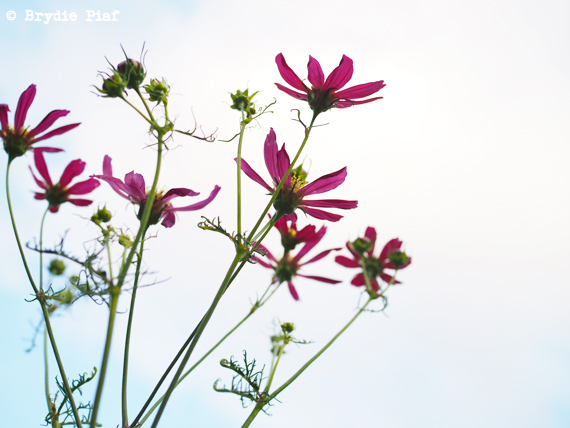
The cosmos flowers that have popped up all over my backyard. Patches of colour that brighten up, well, pretty much everything.

Loving…

Ridiculous looking purple carrots that remind you…to keep it real.

************

What are you loving at the moment?

[“Often life’s pleasures pass us by simply because we don’t take a moment to focus on them… Make a point of noticing everyday something that uplifts your spirit or tickles your heart… Stop to breathe in the joy of this moment and then tell someone about it. Share your joy and revel in it. When your joy is savoured, and then shared, it is magnified…” ROBIN GRILLE]


Stuff That Matters

calendula-01-cityhippyfarmgirlcalendula-00-cityhippyfarmgirlpassionfruit-kombucha-cityhippyfarmgirlfire-tonic-cityhippyfarmgirlmarket-stall-cityhippyfarmgirlsourdough-cityhippyfarmgirl

Watching how the backyard garden has grown overnight takes on a mindfulness that isn’t often present for the rest of the day. Tracking bees on their pollen paths, and seeing how the calendula has unfurled overnight. Solitude is fleeting, even at 6am. I’ll grab it in handfuls wherever I can, it’s really important to me. I need it.

Passionfruit kombucha experiments. I thought it was delicious, and two out of three kids thought it was good one. The other one?…I might have to keep working on that palate of his. Keeping them healthy is a huge priority to me.

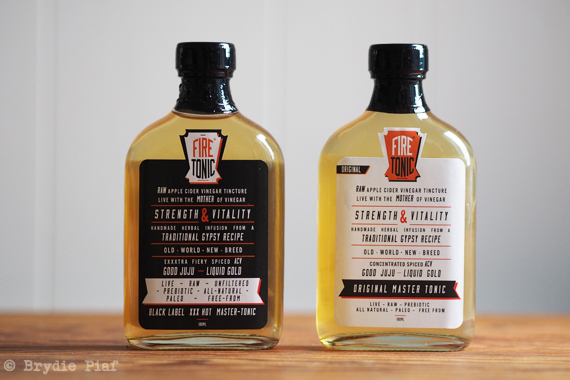
(And when not so healthy) there’s Master Tonic or Fire Cider, it’s damn good stuff and this time of year it’s almost a necessity. With half the city echoing with their coughs of the stricken down, my kids adding to the list of the afflicted, it was all a little ill timed that I ran out of my batch of the stuff. (I did a how-to over on Milkwood last year if you are keen to make your own.) Lucky for me, and thanks to a lovely instagram connection some of Hilbilby’s good stuff landed on my doorstep just at the right time. Health isn’t something that I take for granted, ever, and with the smallest coming down with an associated ear infection. I’m pretty damn thankful that I have access to really great medical advice and care when I need it.

This week I finally got to meet the lovely Fran. Fran is 100 kinds of awesome. Some of this I know from her instagram account that I’ve been following for awhile, some of this I know from her blog and some of this I know from the hour we spent together after she drove 5 hours to my place to deliver a table and not eat lunch (too busy talking you see.) I feel super lucky to have people like that jump into my life.

While this week has also had its fair share of arguments, tears, crossed wires, and crappy news (real life always exists behind the sunshine filled walls of a blog.) I’m still thankful for them. I could wish that they had never happened, (but they did) or they are happening and wishing away won’t change anything.

What I can do is, learn from them, grow from them, possibly define my own ideas and thoughts a little better because of them. At the very least I can hug my kids a bit tighter at the end of the day and I can say to dear friends, hey thanks for spending time with me today, that was bloody awesome and I loved every minute of it.

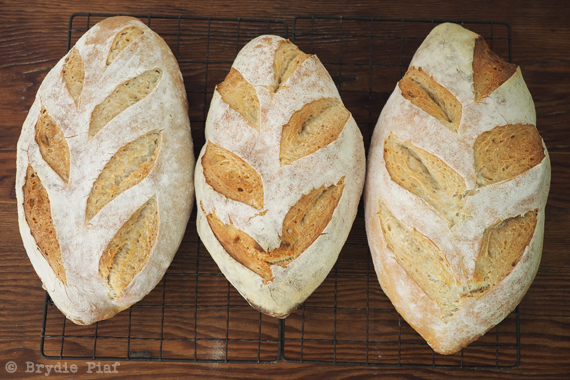
The connections, the tiny moments, the community ties, the freshly cut bread, the hugs, the long conversations…

This is the good stuff of life.

This is the stuff that matters.


…and then the slugs moved in

slugs 04 || cityhippyfarmgirl.comslugs 03 || cityhippyfarmgirl.comslugs 02 || cityhippyfarmgirl.com

It wasn’t the first time I’d had run ins with slugs, but it was the first time I had ever grown anything in this much abundance. Not a nominal amount that had been the case when it was a potted garden in the big smoke with 1-2 hours of sunlight. No here, I had much more sunlight and things (after a few trial and errors) were actually growing.

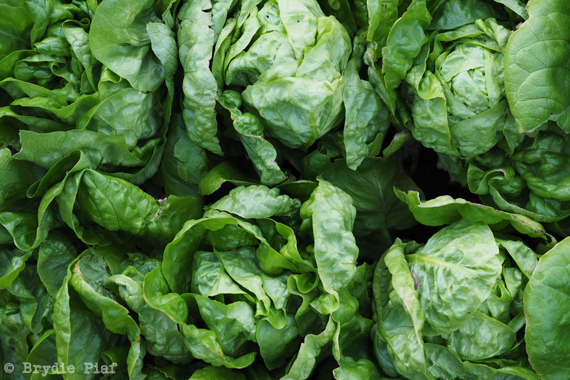
I proudly showed several heads of lettuces off on instagram, and really it had all be pretty darn exciting watching things grow and then following that up by eating them. We even toyed with the idea of there nearly being enough to cancel our vegetable box delivery. Options like that were suddenly no longer sounding completely unachievable.

And then the slugs moved in.

One evening, dusk was snaking it’s way in and I had ventured out to the compost. Suddenly I’m stopped in my tracks by a multitude of glistening bodies, slimebagging their way along my prize winning* vegetables. Cue stampede music and old school horror music piano pieces. Those little bastards? They were everywhere.

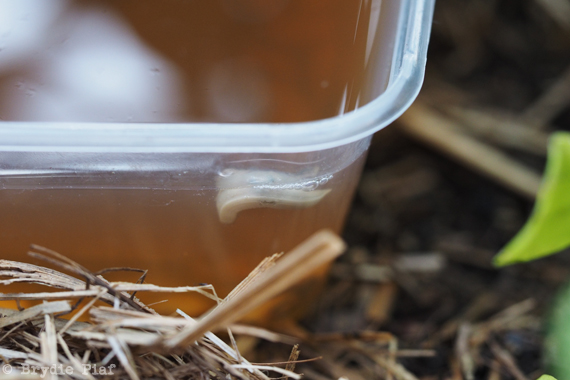
I start picking them off. I keep picking them off. I get a container, and still keep picking them off.

Everywhere.

They are bloody everywhere. At this rate I won’t have a vegetable in sight by the end of the week. I traipse inside, slip my shoes off as they have become a little slidey from all the slug guts and declare war on the slime bags. Vowing words of action the very next day.

Except I didn’t.

I actually forgot the next day.

So when I hear a concerned voice coming in from the back door, (after a visit to the compost again) saying “…there’s a lot of slugs out there tonight!”. I write a post-it-note with a big black marker and stick it on my forehead for first thing tomorrow. Must sort that slug issue out.

slugs 05 || cityhippyfarmgirl.comslugs 01 || cityhippyfarmgirl.com

So what are your options when you have a plague of slugs stampeding across your carefully tendered urban permaculture patch?

Eggshells… you are supposed to keep them dry and the sheer amount I would need to try to make this work didn’t seem workable.

Beer traps…I have done this, but it’s simply not enough. I’d have to have a beer filled moat for this to be effective and with a wandering whippet (whom I suspect would be a bit of a light weight drinker) it’s not really a long term option either.

Ducks… I like the idea, actually I love the idea! But…I’m not there yet, and again, not sure about the whippet.

Grow extra’s… I actually do have enough lettuce to share (regrettably) with my slimebag friends, however they’ve taken more than their share and are simply not playing fair.

Slug and snail bait… nah, not going to happen.

Copper…I’d read that I could strip wires and use the copper parts as a barrier method to stop them. I didn’t have any wires, and didn’t have the time before my vegetables are reduced to stubs to go seek some to strip. A quick trip to the hardware store get’s me back home with 8 metres of copper tape. I thought about taping the beds up Mission Impossible laser style scene, but decided that’s probably overkill at this stage considering I don’t even know if these things will work. I go with the disco look instead and line the edges. Not enough of the edges but if it works**, I’ll get more and disco everywhere the slimebags lurk.

So did it work?

First night, I can’t see any slugs in the garden that had been previously looking like Bondi Beach in the middle of summer. I had wrapped the tape around all the edges. The garden beds where I had only done a portion of the tape, the bodies once again glistened in the light. So at a quick look, I’d say yes, yes it did work where I had placed the tape all the way round.

The following day was all day slug weather, the slimebags didn’t even have to wait until dusk had set, as it was so wet and bleak out there they could just munch on down, breakfast, lunch and dinner. My problem was I hadn’t finished the taping and couldn’t do it again until the garden bed edges were dry so it would adhere properly.

Once again, I go inside mumbling war cries and take off slippery shoes from slug guts.

Will the copper tape keep the suckers at bay? Not sure, to be continued folks…

In the mean time What are some of your tried and true methods for slug control? Or something you’ve tried and it didn’t work?

*************

*Yes, I know I haven’t actually won any awards.


Best flowers to grow for you and your bees

flower 4 || cityhippyfarmgirlflower 5 || cityhippyfarmgirl

Looking around my garden, while it certainly wasn’t a total sea of blooms and wildflowers, for a garden that was 7 months young it had a decent selection of flowers both for us and our local bees. I was actually pretty happy with how it was all shaping up. Some flowers had come and gone, some flowers were still to be planted when spring officially raised her head again, and somethings had been there since we began.

When we had first started ripping up agapanthus and gardenias (which is what this garden had solely had before us; alongside grass and crap soil) I had vehemently said, we shall not grow anything that doesn’t serve an eating purpose and is useful! While I still stand by that statement, I have added a little bit more flexibility to it. Kangaroo Paw and and Daisies have earned their positions in the sun and while we don’t eat them, they look gorgeous and are a great addition for our bees to choose from.

For the bees and other local beneficial pollinators my wild plans of having a year round selection of changing seasonal foraging options… well it’s actually shaping up quite well.

Here’s a list of some bee friendly (whether they are native stingless, solitary or honey bee) plants that have made their way into the garden or will be in the next month or so.

flower 9 || cityhippyfarmgirl

Alyssum– sweet scented, great for a ground cover.

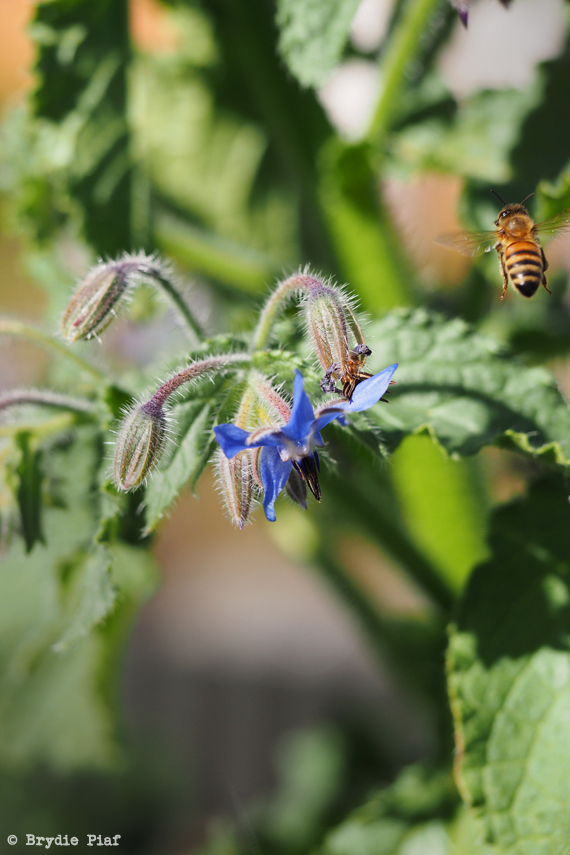
Borage– you can also eat the slightly spiky leaves, just finely chop them first. Edible flowers, great for decorating and salads.

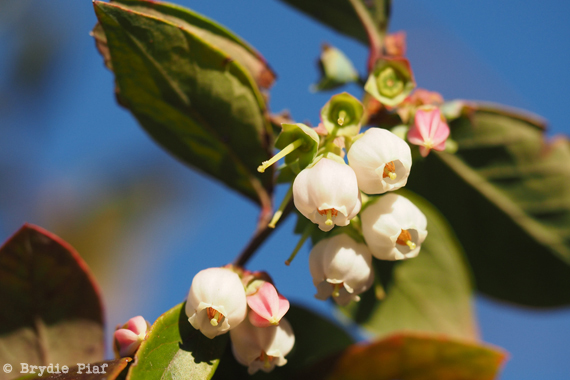
Blueberries– Hopefully they’ll turn into blueberries at some stage, they do seem to have a long flower stage, (this is their first year out of pots.)

flower 12 || cityhippyfarmgirlflower 01 || cityhippyfarmgirl

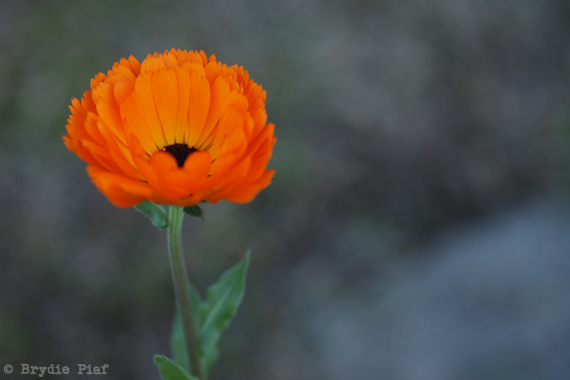
Calendula– Not on the excellent end of the colour chart for bees but it has many other uses so I’d be mad not to include it.

Clover– Tiny soft scented flowers, loved by bees and adored by small hands.

Comfrey– It’s been lying fairly dormant in a corner of the yard, biding time for warmer weather ((I hope!) A good soil conditioner, great for compost and a medicinal plant.
Cornflower– Not yet planted but the seeds are ready to go, come warmer weather. Plant too early and the seeds won’t germinate in the cold wet soil.

cosmos || cityhippyfarmgirl

Cosmos– these were such a joy over the warmer months, with so many flowers coming from a single plant. They also gave great shade to some of the more delicate vegetables.

Daisy– and oldy but a goody, and I can pretty much completely ignore them in terms of maintenance.

Dandelion– They grant wishes, don’t really make you wet the bed and are a super simple flower addition to your bee flowers.

Kangaroo Paw– a gorgeous Australian native that doesn’t require much attention at all.

Lavender– They happily sit in my “Mediterranean Corner”, sounds far more exotic than the dry corner where it cops the most sun.

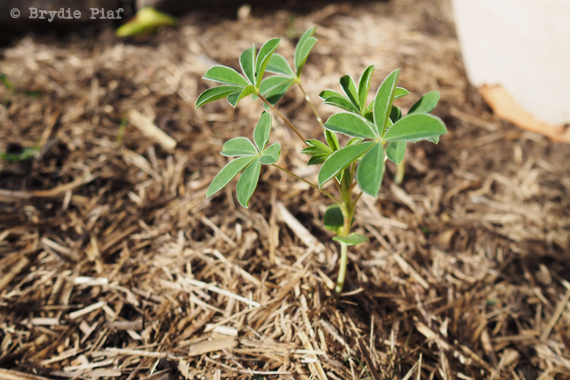
Lupins– great green manure crop, where I was supposed to cut them down before they got to flower stage…nah, just couldn’t do it. I loved seeing bees on the flowers.

Marigold– again not at the good end of flower colour chart but still a favourite and easy to generate more seedlings, so they are here to stay.

Nasturtium– Good ground cover, will climb if you train it up and flowers look lovely for food decorating.

Rocket– My first rocket crop was a failure due to rubbish soil, I’ve learnt from it, can now grow great rocket and have let the rubbish crop go to flower so still creates a garden benefit.

Sunflowers– I haven’t planted these beauties yet as still a bit cool, but the seeds are good to go and I’m just a little bit excited about have 2.5 metre flowers within my garden.

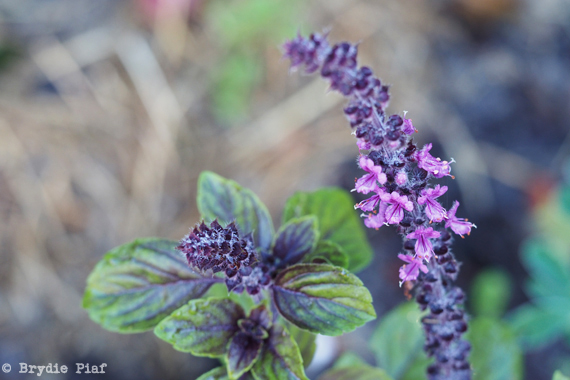
Thai Basil and Holy Basil– I’ve got patches of both, and while not quite at the large bush stage, they are looking promising.

Yarrow– this beauty is doing wonderfully well, conditioning my soil, providing seasonal flowers and is a great medicinal garden addition.

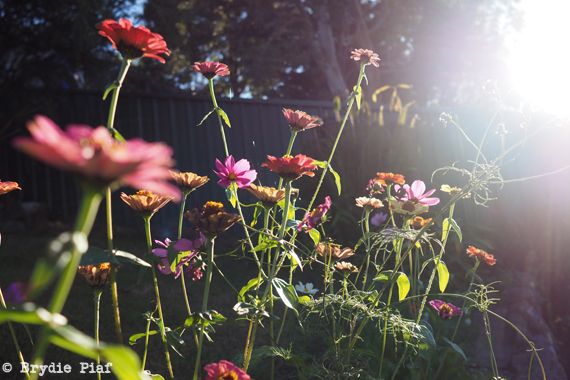
Zinnia– currently not flowering due to winter but summer gave a wonderful crop which helped with shading some of my more vulnerable vegetables during the middle of the day heat. They were also remarkably easy to generate more seedlings with the dried flower heads.

flower 01 || cityhippyfarmgirl

************

If you are creating your own bee flower garden, do keep in mind, they can see the purple/blue coloured flowers the best, with red flowers being at the end of their scale. I’d say skip the red roses this year and head for the borage!

What plants do grow for the benefit of both you and your bees?

For more reading on bees and their colour preferences see here


For the love of bees

Native Stingless Bees Australia || cityhippyfarmgirlNative Stingless Bees || cityhippyfarmgirl

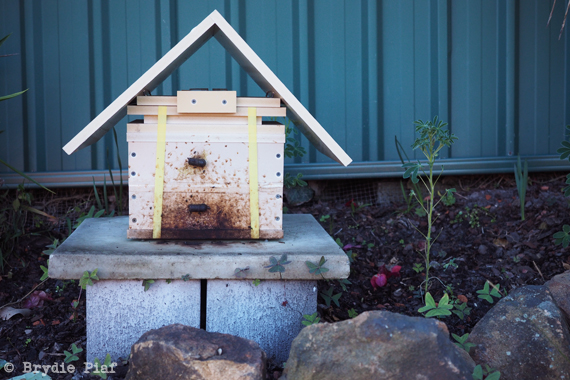
I hadn’t seen the bees for awhile now. It being winter and actually feeling like winter, I’m like a concerned parent. Silently hoping for a day over 18 degrees, just so I can check in on them all, make sure the hive is ok. A reassuring healthy buzzing bee off on a foraging trip, that’s all I need to see.

That day comes, it’s warm, it’s crazy warm and the first thing I do after ripping my too hot woollen scarf draped around my neck is scamper up the hillside (err, slight slope in the very urban backyard but who’s paying attention to those details) to see if the bees are out. They are! My little native stingless friends are out and about and there is rather a lot of them.

In summer, first thing in the morning. I can sit outside, close my eyes, and hear a bunch of different bees and other pollinators amongst the tomato flowers. Opening my eyes I would often find a variety of different bees crowding a flower peppered plumbago. The hedge really should have been pruned back long ago but I can’t seem to do it with so many bees sourcing their daily foraging needs within the blue flower buds. It would feel a bit mean.

Ever since I did a Native Stingless Bee course, bees have been a constant source of intrigue and curiosity. Not just the native stingless ones, but the whole lot of them. European honey bees, solitary bees, they really are incredibly interesting creatures.

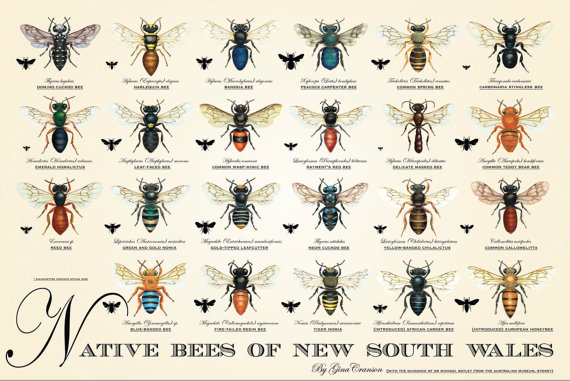
Gina Cranson

I adore this poster by Gina Cranson. Copies of the poster can be bought through a variety of places, but you can start with her Etsy site if you are keen, (there also now available QLD versions). One of these posters sits above my desk- learning the different types just by glancing at the pictures several times a day.

When we lived in Sydney, I had organised for our local council to fund some native stingless bee hives to set up residence within the school grounds. There were 3 when we left which opens up the possibilities for either splitting the hives and passing another on to another school or harvesting the honey. Either way it’s a wonderful lesson for school kids, and I’m hoping to do the same here at our new school.

Another option for bee lovers is to host a honey bee hive. Not technically yours for keeps, but a wonderful alternative, which gives a pollinated garden and proportion of the honey as a trade off. It’s a winning system I tell you.

insect hotel || cityhippyfarmgirl

More reading and information for all the bee enthusiasts out there

Earth Garden magazine frequently writes on a variety of our wonderful bees.

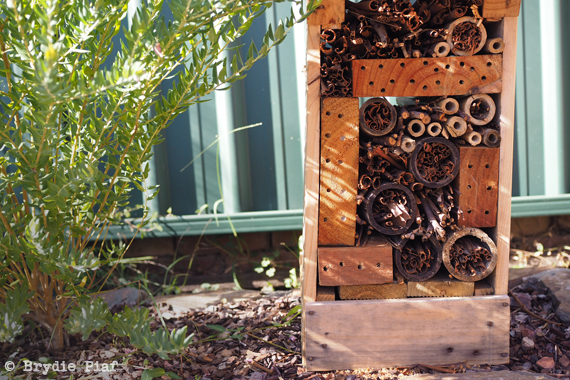
Awhile back I wrote about how to create your own Insect Hotel, over on Milkwood.

Tim Heard is the Native Stingless Bee master with his book The Australian Bee Book, (he also does frequent talks and workshops up and down the East Coast of Australia several times a year.)

Urban Hum hosts hives if you are in Newcastle, NSW.

Doug Purdie from The Urban Beehive, has you covered for all things honey bee related.


Compost, sharing the love

compost 101 || cityhippyfarmgirl

composting 101 || cityhippyfarmgirl

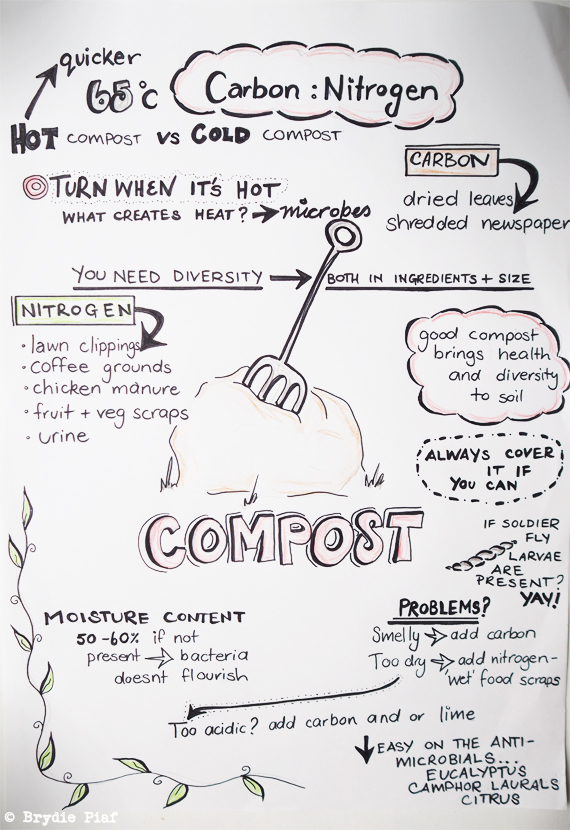
I did this poster for friends of ours recently, (old school method, pen and paper even) They were starting a compost system up and were asking for a few simple tips on getting it all up and running.

I took that as a, yes, of course they would like it in an A3 poster format!

I also did a post on becoming a little geeky about the whole composting process over at Milkwood recently, if you would like to know a little more about the whole composting process.

good compost || cityhippyfarmgirl

How about you? Do you have any tried and true composting methods? Or failures perhaps? Any tales of composting woe that you’ve learnt great lessons from?

More composting details can be found here, and more information on those tiny compost friends Black Soldier Fly.

black soldier fly larvae || cityhippyfarmgirl


Mayfield Better Block

Newcastle Upcyclers || cityhippyfarmgirlReMake || cityhippyfarmgirlbetter block mayfield || cityhippyfarmgirlMayfield better Block 2 || cityhippyfarmgirl Mayfield Better Block 1 || cityhippyfarmgirl Mayfield better Block 0 || cityhippyfarmgirl

Saturday May 21st saw the Newcastle suburb of Mayfield with a little transformation. Transformed into something quite appealing indeed for many of the locals and visitors on the day. What this tiny corner of Mayfield had gone and done on this Autumnal day in May was it turned itself into a, better block.

This wasn’t the first Better Block I’d been to. Long term readers might remember a post on the first Clovelly one in Sydney a few years back. While completely different in what they wanted to do, one thing was a simple theme. They wanted something better than what they had.

The Better Block concept was one that came out of Antonio, USA, a few years back. The concept was a common one for people around the world and adopted (officially and unofficially by many). Whether as permanent changes or simply playing with ideas and getting locals more connected, talking about what they would like to see done differently to the area.

This is a community model of care that I whole heartedly embrace. Watching the whole day come together and seeing the excitement on people’s faces as they begin to visualise something different to what they currently have. It’s exciting and quite inspiring to watch.

Best of luck Mayfield. I think you’ve got something quite wonderful going on.

See here for more pictures from the day.

International Permaculture Day and what does it really mean?

Today is International Permaculture Day and I thought I would have a little look at the basis of what permaculture actually is, and what it means, in an every day living kind of way?

Whether you live in a tiny busy city apartment or 1000 hectare farm out the back of….well, somewhere well out the back. Permaculture is something that can be easily infused into every day living.

In nutshell, it’s a way of living that designs and builds a system that incorporates 3 ethics- Earth Care, People Care and Fair Share.

Connected productive living within ourselves, our families and our communities…without the destructive environmental cost. Sounds pretty good right?

Break the word down and you’ve got PERMANENT AGRICULTURE, that doesn’t mean you have a permanent collection of farm hands and cattle roaming over your fields. That means you’ve got a system in play that means you’re accountable for your own living, (well as much as possible anyway. )

Still with me? Right so what does this all mean to me and for our family of five living in a regular every day kinda urban city setting?

tomatoes || cityhippyfarmgirl.compermaculture 02 || cityhippyfarmgirl

First up, let’s look at the 12 principles that permaculture is based on. I’ve found some will be used more than others depending on our context at the time and on the day. Basically this is daily living stuff though.

  1. Observe and interact… planning, observing where the sun falls (this might be for heat, growth or simply light) connecting with what everything around us is doing, why and when. Also broadening those community circles and reaching out to others.
  2. Catch and store energy…whether it’s collecting rainwater and sunshine (or my own energy!)
  3. Obtain a yield… yields to date have been still on the novel side, regardless of where we are living. I’m working on it though, damn it…and at least I make sourdough.
  4. Apply self regulation and accept feedback…constantly.
  5. Use and value renewable resources and services. Once you tap into this, it’s hard to tap back out.
  6. Produce no waste…so many things can be reused, used in different ways or simply just not obtained in the first place.
  7. Design from patterns to details…Hooray for thinking outside the square.
  8. Integrate rather than segregate…for some reason this absolutely delights me. Complete satisfaction when I can manage it, even in the tiniest way. Whether it’s in the garden or involving my kids in some minor task.
  9. Use slow and small solutions…so much easier to change or maintain things. Far less confronting than dramatic changes.
  10. Use and value diversity…I’m a big believer in this for any part of life. Growing plants, our diet, or education.
  11. Use edges and value the marginal…another one of my favourites. Creating something from the seemingly unloved, and unused is incredibly satisfying.
  12. Creatively use and respond to change…bend like a reed baby.

As you can see, this isn’t just out in the garden. This is life living skills, numbered beautifully from 1 to 12.

Exploring all the options and making sure everything is reasonably adaptable. What works for me now, might well, need to work differently in the future. Things are constantly changing and tweaking things are necessary dependent on what’s going on around us at the time.

Also, what’s your context? What works for me, may not work for the next person.

A tiny example which up until lately, I hadn’t considered a whole lot was the environmental impact of having a dog or a pet in general. Sure I knew the pet food industry was just as crap as our own mainstream food in many ways but until I was actually standing there in the pet food aisles, I didn’t realise just how ridiculous things really were. Sugar, salt, colourings and food miles for our beloved fur beast? You betcha.

Dog food I manoeuvred my way through and poo is now being collected in cornstarch bags (if out) and deposited into a worm tower in an untouched corner of the yard if at home. (#6 Produce no waste.)

Worm towers are also favoured within our wicking beds (with an addition of compost and food scraps rather than dog poo.)

permaculture 03 || cityhippyfarmgirlspider || cityhippyfarmgirlpermaculture 04 || cityhippyfarmgirl

While we are still relatively new to our current living environment, permaculture is a system of living that in some shape or form I have been happily living in different contexts from the very beginning.

Some things have changed, some things will quietly remain very similar and some, will simply grow and expand like a 10 year olds legs over summer holidays, (or something like that.) It’s exciting stuff and most of the time it feels really positive to be moving forward like this, (and when it doesn’t, there’s always a wonderful clean slate called tomorrow.)

Here’s five minutes with David Holgrem (co-originator of the permaculture concept) on how we can change the world with permaculture thinking…what a lovely man 🙂

****************

If you’re new to permaculture and not sure where to dive in, here’s a few places to kickstart a whole new way of thinking, living and celebrating life in general.

International Permaculture Day

Permaculture Principles– I adore their yearly calendar. The pictures are inspirational, moon planting incredibly helpful and the little squares are big enough to scribble all your daily ‘stuff’.

Milkwood– whether it’s a hands on course or the goodness of online info.

Pip Magazine– Permaculture in a wonderful magazine format.


The City Permaculture Garden- 10 lessons in 3 months

When you are creating a garden from scratch, and prior to that, most of your gardening glory has been generally from the potted kind. Lessons are going to be learnt, and swiftly so. I thought I would share ten recent lessons, (and I’m sure as eggs, there will be ten more waiting in the wings.)

kale || cityhippyfarmgirl

10 (City Permaculture Patch) Lessons Learnt in 3 Months

  1. Australian summers can be bloody hot. This past one was of no exception. Soaring temperatures make it hard for little seeds and seedlings to cope. Lesson Learnt? Stunted growth and inability to simply give growing from seed a fair crack- it’s just too damn hot.
  2. Shade cloth. Yep, you need that stuff over summer. While I was eccstatic that I had more sun loving hours to play with for growth. Lesson Learnt? During the middle of a summer day, shade cloth was a must when the garden was so unestablished. Later on down the track I’m hoping there will be other plants to offer more shade for growing the smaller delicate stuff.
  3. Soldier Fly Larvae, all kinds of beneficial awesomeness in a small segmented critter type way. Lesson learnt? Certainly not the maggots you thought they were first up.
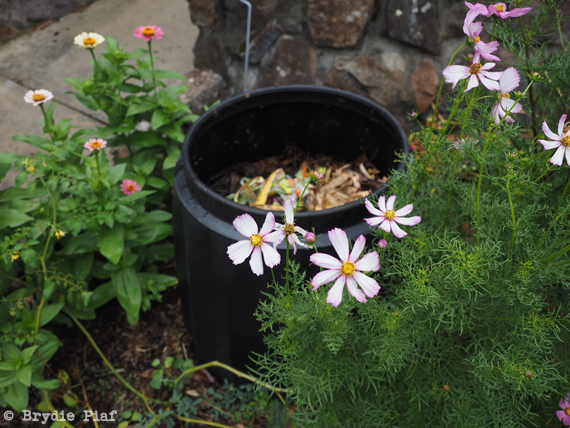
  4. *Compost, dead easy to set up and maintain. While there was certainly an initial juggle of ingredients as I hadn’t played with these kinds of bins before, there are now two going strong. Lesson learnt? For me composts which at this stage are a bit heavier on the nitrogen based ingredients, lime is definitely necessary. compost || cityhippyfarmgirl
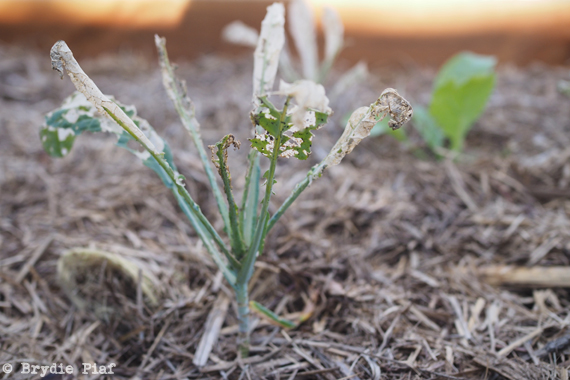
  5. Critters. There will always be a battle with critters. Growing your plants from seed, nurturing those seedlings, planting with loving care, only to not pay attention to them for 24 hours and find them being turned into seedling latticing by overly confident caterpillars. That’s just bloody disappointing people. Lesson learnt? Caterpillars, they can be truly little stinkers.
  6. Soil. Ahhh, I get it, I totally get it. Why people can get so enthusiastic, animated and obsessive about the stuff. It’s so important, so incredibly important! Ongoing lessons, on getting the balance right for optimal growing. Soil was bought in and it simply just didn’t have enough good stuff in there despite the labelling. Lesson learnt? If you have diversity in your soil, you are going to have much better growing conditions.
  7. Aphids. Persistent little buggers aren’t they. I’m delighted to have a wonderful amount of ladybeetles in the garden. However no amount of beneficial garden bugs could hoover through these critters. Lesson learnt? Do something about them when you first notice them…sincere apologies cucumbers. zinnia || cityhippyfarmgirl
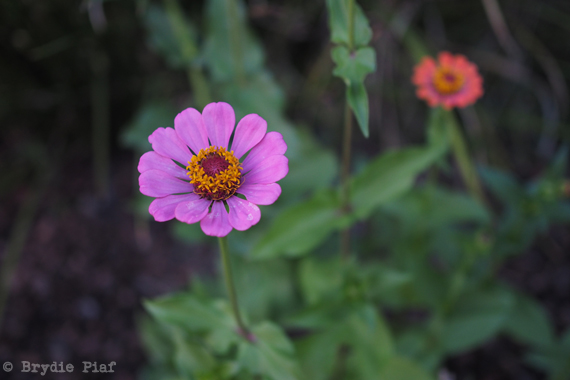
  8. Zinnia. Incredibly easy to grow from seed, with seemingly very little effort. They have made a great barrier to protect more delicate growings, they bring in lots of happy pollinators, and are beautifully bright and colourful. Lesson learnt? Come the slightly cooler weather and mould can set on the leaves if sown too close together.
  9. I already knew it, but it really has become abundantly clear. You put the extra effort in, you reap the rewards down the track. Good planning is essential, along with some good old fashioned, blood, sweat and tears. (If tears aren’t needed, some some good old spirited pirate style cursing is always a good all rounder.)
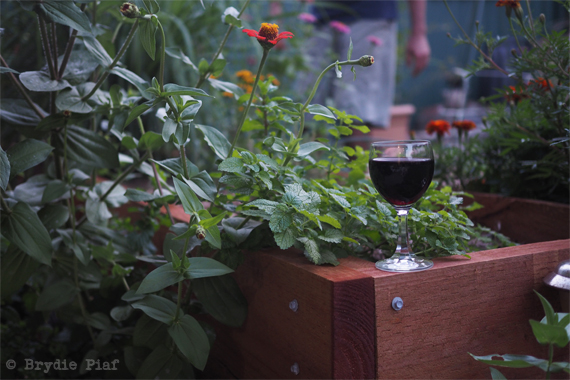
  10. Tea, tastes rather excellent while wandering around your slowly establishing garden in the sweet autumn morning light, or alternatively that glass of wine in the late evening. Lessons learnt? By the end of the glass of wine, I’m less bothered by the aphids and this wandering around your garden? Yes, a person could get used to that, oh yes indeed.permaculture garden || cityhippyfarmgirl

I recently did another post all about becoming a compost geek over on the Milkwood if you are interested. Compost, it’s damn important stuff!

Time to get growing

cosmos || cityhippyfarmgirl

garden 01 || cityhippyfarmgirl

garden 02 || cityhippyfarmgirl

Yearning for something for a really long time, means that when it finally arrives…well it’s a bit bloody exciting.

So what did I yearn for? Sun.

Simply put, just sun.

Sunlight to grow things. I had grown what I could with 2 hours of direct sunlight for a number of years in pots on a rented shared corner of a concrete courtyard. I loved my potted permaculture garden, but with two hours of direct sunlight, well it limits things a bit.

So what can I do now? Now that I have 6-10 hours of direct sunlight?….Oh la la! The possibilities can make you giddy at the knees. Some people said wait, go slow, you’ve got years to get it going. Err, nope, no I don’t think so. I’ve waited in some shape or form for 20 years to do this.

Instead, let’s get in there straight away. Let’s definitely plan, and plan really well. And let’s not be committed to one idea, or even several ideas in the beginning. The first few years will be very flexible in their changes, lessons will be learnt and things will be trialled. It’s all deliciously new and yet it isn’t as well, I’ve been preparing, reading, learning, practising for what feels like all my life, now it get’s put into practise.

I firmly believe in the saying bloom where you have been planted…but I also believe in crop rotation.

And now with all that direct sunlight? Well. I think it’s time to get growing.